


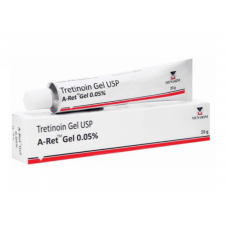
Medications for Wrinkles
Wrinkles are a common sign of aging that affect the skin's appearance, often leading individuals to seek effective treatments to restore a more youthful look. Addressing wrinkles is important not only for aesthetic reasons but also for maintaining skin health and confidence. Pharmacological treatments can help reduce the appearance of wrinkles, improve skin elasticity, and slow down their progression. Early diagnosis and appropriate therapy are crucial for achieving optimal results and preventing further skin deterioration, ultimately enhancing quality of life and self-esteem.
What Are Wrinkles?
Wrinkles are lines and creases that form on the skin, primarily due to aging, sun exposure, and lifestyle factors. They typically appear on areas like the face, neck, and hands, where the skin is most exposed to environmental influences. Wrinkles are a chronic condition that develops gradually over years, often becoming more pronounced with age. Recognizing and treating wrinkles early can help prevent their deepening and improve skin appearance, making it essential to seek professional advice when they first appear.
Definition and Main Characteristics of Wrinkles
Wrinkles are folds or creases in the skin caused by a combination of intrinsic aging and extrinsic factors such as sun damage and lifestyle habits. They are characterized by their depth, location, and pattern, varying from fine lines to deep furrows. The progression of wrinkles is influenced by skin elasticity loss, reduced collagen production, and environmental exposure. Risk groups include older adults, individuals with high sun exposure, smokers, and those with genetic predispositions. Early intervention can slow their development and improve skin texture.
| Type of Wrinkle | Characteristics | Common Locations |
|---|---|---|
| Fine Lines | Shallow, short wrinkles | Around eyes, mouth |
| Deep Furrows | More pronounced, longer wrinkles | Forehead, nasolabial folds |
Diagnosis and When to See a Doctor
Diagnosis of wrinkles is primarily clinical, based on visual examination by a dermatologist or skincare specialist. They assess skin texture, depth, and pattern, sometimes using dermoscopy or imaging techniques to evaluate skin layers. It is important not to self-diagnose or attempt treatments without professional guidance, as inappropriate interventions can worsen skin condition. Early consultation ensures tailored treatment plans and better outcomes, especially when wrinkles begin to affect confidence or skin health.
Diagnostic Tests and Methods for Wrinkles
Diagnosis involves a thorough skin examination, often complemented by non-invasive imaging like skin ultrasound or optical coherence tomography to evaluate collagen levels. Laboratory tests are rarely necessary unless underlying conditions are suspected. In some cases, skin biopsies may be performed to exclude other skin disorders. These methods help determine the severity and guide appropriate treatment strategies.
| Type of Test | Purpose | Diagnostic Value |
|---|---|---|
| Visual Skin Examination | Assess wrinkle depth and pattern | High for clinical evaluation |
| Skin Ultrasound | Evaluate collagen and skin thickness | Provides structural details |
Warning Signs Requiring Immediate Medical Attention
If you notice rapid skin changes, unusual growths, persistent inflammation, or signs of infection such as severe redness, swelling, or pain, seek medical help promptly. Also, if wrinkles are accompanied by other symptoms like skin ulcers, bleeding, or sudden appearance of new lesions, consult a healthcare professional immediately. Delaying care in these cases can lead to complications or mask underlying health issues.
Causes and Risk Factors of Wrinkles
Wrinkles develop due to a combination of internal and external factors. Aging naturally reduces collagen and elastin, essential for skin firmness. External influences include prolonged sun exposure, smoking, pollution, and poor skincare habits. Genetic predisposition also plays a role, with some individuals more prone to early wrinkle formation. Understanding these causes helps in adopting preventive measures to delay their appearance.
Factors Causing Wrinkles
These factors can act independently or synergistically, accelerating skin aging:
- Sun exposure: UV rays damage collagen fibers
- Smoking: reduces blood flow and accelerates skin breakdown
- Genetics: influence skin elasticity and aging speed
- Environmental pollution: causes oxidative stress
- Repeated facial expressions: contribute to expression lines
| Risk Factor | Description | Probability |
|---|---|---|
| Sun Exposure | UV rays cause collagen degradation | High in outdoor workers |
| Smoking | Accelerates skin aging through oxidative stress | Moderate to high |
Recognizing these factors is essential for implementing preventive strategies and reducing the risk of wrinkle development.
Manifestations and Symptoms of Wrinkles
Wrinkles typically present as fine lines initially, becoming more prominent over time. They may appear as crow's feet around the eyes, forehead lines, or nasolabial folds. Symptoms can vary depending on age, skin type, and lifestyle habits. Early signs include subtle creases that become deeper with continued exposure and aging. Detecting these early allows for timely intervention, which can slow progression and improve skin appearance.
How to Recognize Early Signs of Wrinkles
Common early indicators include fine, superficial lines that appear after facial movements, especially around the eyes and mouth. These may be more noticeable after sun exposure or during periods of dehydration. Recognizing these initial signs helps in adopting preventive measures or starting treatments to prevent deepening of wrinkles. Regular skin assessments by a professional can also aid in early detection.
| Type of Symptom | Frequency | Estimated Severity | Notes |
|---|---|---|---|
| Fine Lines | Common in early stages | Low to moderate | Appear after facial expressions |
| Deep Furrows | Develop over years | High | Require more intensive treatment |
Types of Medications and Treatments
Managing wrinkles involves a variety of treatments, ranging from topical products to invasive procedures. The choice depends on the severity of wrinkles, patient age, skin condition, and personal preferences. Mild cases may respond well to over-the-counter products, while more advanced wrinkles might require professional interventions under medical supervision. Consistency and early intervention improve treatment outcomes and skin health.
Medications for Wrinkle Treatment
The main groups of medications used include topical retinoids, peptides, antioxidants, and in some cases, injectable botulinum toxins or dermal fillers. Topical retinoids like tretinoin are widely prescribed for their ability to stimulate collagen production and accelerate cell turnover. Peptides and antioxidants help protect skin from oxidative damage and support skin repair. In more severe cases, treatments such as botulinum toxin injections or hyaluronic acid fillers are used to smooth deep lines and restore volume.
| Type of Drug | Example of Active Ingredient | Therapeutic Purpose |
|---|---|---|
| Topical Retinoids | Tretinoin | Stimulate collagen synthesis, reduce fine lines |
| Injectables | Botulinum toxin (Botox) | Relax muscles, smooth dynamic wrinkles |
Natural Remedies for Wrinkles
Complementary approaches include using natural oils like rosehip or argan oil, applying aloe vera gel, or incorporating antioxidant-rich foods into the diet. Regular facial massages and hydration can also improve skin elasticity. However, these remedies should be considered supportive measures and used under medical supervision, not as substitutes for professional treatments. They may help maintain skin health and enhance the effects of other therapies.
Forms and Presentations: Tablets, Capsules, Injections
Medications for wrinkles are available in various forms, including topical creams, gels, capsules, and injectable formulations. Topical products are easy to apply and target surface layers, offering convenience and localized action. Capsules and tablets containing antioxidants or vitamins support internal skin health. Injectable treatments like botulinum toxin or hyaluronic acid are administered by healthcare professionals for more immediate and pronounced results. Each form has specific advantages depending on the treatment goal and patient preference.
Over-the-Counter (OTC) Medications
OTC products such as anti-aging creams, serums, and moisturizers can help reduce mild wrinkles and improve skin hydration. Ingredients like hyaluronic acid, peptides, and antioxidants are common in these formulations. They are suitable for early-stage wrinkles or maintenance but are not effective for deep or severe lines. If symptoms persist or worsen, consulting a healthcare professional is recommended to explore more advanced options.
| When to Use | Examples | Notes |
|---|---|---|
| Mild wrinkles or preventive care | Retinol creams, antioxidant serums | Use as part of daily skincare routine |
| Persistent or deep wrinkles | Consult a dermatologist for prescription treatments | OTC products may be insufficient |
Precautions and Side Effects
Even medications considered safe can cause adverse reactions if misused. Common side effects include skin irritation, redness, or dryness, especially with retinoids. More serious reactions like allergic dermatitis or systemic effects are rare but possible. Following prescribed dosages, avoiding combination with incompatible products, and monitoring skin response are essential to minimize risks. Special caution is needed for vulnerable groups such as children, pregnant women, the elderly, or those with chronic illnesses, who may require tailored approaches.
Most Common Side Effects
Common mild effects include skin redness, peeling, or dryness, which usually resolve with continued use or dose adjustment. Rare but severe reactions include allergic reactions, dermatitis, or systemic toxicity. Monitoring for symptoms and consulting a healthcare professional if adverse effects occur are important steps to ensure safe treatment.
| Type of Effect | Frequency | Severity | Recommendation |
|---|---|---|---|
| Skin irritation | Common | Low to moderate | Adjust application frequency or discontinue |
| Allergic reactions | Rare | Severe | Seek immediate medical attention |
Tips for Safe Medication Use
To ensure safe use of wrinkle treatments:
- Follow prescribed dosages carefully
- Avoid combining multiple active ingredients without medical advice
- Store medications in a cool, dry place away from children
- Schedule regular follow-up visits to monitor skin response
- Discontinue use if adverse reactions occur and consult a healthcare professional
Responsible medication use and routine medical check-ups are key to achieving effective results and preventing complications.
Prevention and Daily Care
Preventive measures and daily skincare routines play a vital role in managing and reducing wrinkles. Regular use of sun protection, maintaining hydration, and avoiding smoking can significantly slow skin aging. Routine dermatological check-ups help identify early signs and tailor preventive strategies. Adopting a healthy lifestyle, including balanced nutrition and stress management, supports overall skin health. Early intervention and consistent care are essential for long-term skin vitality and wrinkle prevention.
Recommended Habits to Reduce Wrinkle Risk
Implementing simple daily habits can make a difference:
- Apply broad-spectrum sunscreen daily
- Maintain a balanced diet rich in antioxidants
- Avoid smoking and limit alcohol intake
- Stay well-hydrated and get adequate sleep
- Practice facial exercises and gentle skincare routines
| Area of Prevention | Recommended Measures | Main Benefit |
|---|---|---|
| Sun Protection | Sunscreen, hats, sunglasses | Reduces UV damage |
| Healthy Lifestyle | Balanced diet, no smoking | Slows skin aging process |
Additional Preventive Measures
Secondary prevention includes routine skin assessments, vaccinations (like HPV or hepatitis B if relevant), and supplementation with vitamins such as C and E to combat oxidative stress. Following medical advice for skin health, including topical antioxidants or collagen boosters, can further delay wrinkle formation. Regular check-ups help detect early skin changes and optimize preventive strategies, contributing to overall well-being and skin longevity.
Adopting these secondary measures not only helps prevent wrinkles but also promotes general health and improves quality of life over time.
Prognosis and Recovery
The outlook for individuals with wrinkles depends on the severity, location, and promptness of treatment. Early intervention generally results in better outcomes, with many treatments providing visible improvements within weeks. Maintaining a healthy lifestyle and adhering to medical advice can enhance recovery and prevent recurrence. In chronic cases, ongoing management may be necessary to sustain skin quality and prevent further aging signs.
Typical Recovery Time
The recovery period varies based on the treatment type and wrinkle severity. Mild cases or topical treatments often show results within a few days to weeks. More invasive procedures like injections or laser therapy may require several days to weeks for full healing. For chronic or advanced wrinkles, continuous treatments and periodic maintenance are usually needed to achieve and sustain optimal skin appearance.
| Type of Case | Average Recovery Time | Comments |
|---|---|---|
| Mild Wrinkles | Few days to 2 weeks | Results visible quickly |
| Severe Wrinkles | Several weeks to months | May require multiple sessions |
Factors Improving Prognosis
- Early detection and treatment initiation
- Consistent skincare routine
- Adherence to medical advice and follow-up
- Healthy lifestyle choices
- Use of effective, personalized therapies
These factors significantly increase the chances of complete recovery or remission and reduce the risk of recurrence.
Lifestyle Changes for Better Outcomes
Patients should adopt habits that support skin health, such as avoiding excessive sun exposure, quitting smoking, maintaining hydration, and following a balanced diet. Regular use of recommended skincare products and avoiding harmful environmental factors can also accelerate healing and prevent new wrinkles. Implementing these lifestyle modifications is essential for long-term skin vitality and treatment success.
Potential Complications
Untreated or poorly managed wrinkles can lead to aesthetic dissatisfaction and, in some cases, skin issues like infections or persistent irritation. Severe cases may contribute to psychological distress or social withdrawal. In rare instances, aggressive treatments might cause scarring or pigment changes. Preventing these complications depends on timely, appropriate medical intervention and patient commitment to follow-up care.
| Complication | Frequency | Severity | Prevention |
|---|---|---|---|
| Scarring or Pigmentation Changes | Rare | Moderate to severe | Use qualified professionals and approved treatments |
| Skin Infection | Uncommon | Potentially serious | Maintain hygiene and follow post-treatment instructions |
With proper management and ongoing care, most patients recover well and avoid long-term complications.
Where to Buy Wrinkle Medications
Medications for wrinkles are available both in physical pharmacies and online stores. It is essential to verify the license and reputation of the pharmacy to ensure the authenticity and safety of the products. Avoid counterfeit products by purchasing from trusted sources, and always check the quality, expiration date, and packaging before buying. Our online pharmacy offers a wide selection of wrinkle treatments, all certified and approved for safety and efficacy in Italy.
Safe Shopping in Our Online Pharmacy
Shopping through our authorized online pharmacy offers numerous advantages, including professional consultation, guaranteed product authenticity, and secure payment options. We ensure strict quality control, proper packaging, and discreet shipping. To ensure a safe purchase, always verify the pharmacy’s license, examine the product packaging, and confirm the expiration date. If in doubt, consult our pharmacists for guidance on choosing the most suitable treatment.
Can All Wrinkle Medications Be Purchased Online Without a Prescription?
Yes, all wrinkle medications available in our online pharmacy can be purchased without a prescription in Italy. This includes over-the-counter products like creams, serums, and certain topical treatments. However, for more advanced or invasive procedures such as injections or fillers, professional consultation remains essential. When buying online, ensure that you select products from reputable sources, follow usage instructions carefully, and consult a healthcare professional if you experience any adverse effects or if symptoms persist. Always prioritize safety and quality when purchasing skincare medications online.
- Verify the legitimacy of the pharmacy
- Check product authenticity and expiration date
- Follow recommended dosages and instructions
- Consult a healthcare provider if unsure
- Avoid purchasing from unverified sources
Shipping Options and Quality Assurance
Our pharmacy offers multiple shipping methods, including standard, express, and international delivery, to meet your needs. We implement rigorous quality control measures such as batch traceability, temperature monitoring during transit, and secure, discreet packaging to protect your order. Tracking numbers are provided for all shipments, ensuring transparency and peace of mind. During delivery, careful handling minimizes the risk of damage, and compliance with safety standards guarantees product integrity upon arrival.
- Standard, express, and international shipping options
- Traceability of batches and shipments
- Temperature control during transit
- Discreet, secure packaging
- Real-time tracking and delivery confirmation
Price, Availability, and Discounts in Italian Pharmacies
The cost of wrinkle medications in Italy varies based on factors such as brand name or generic, dosage, form (creams, capsules, injections), and whether a prescription is required. Regional differences and pharmacy policies can also influence prices. Availability may fluctuate depending on demand, seasonal factors, and stock levels; some products might be available immediately, while others require special ordering. Many pharmacies offer discounts, coupons, and loyalty programs, making treatments more affordable. Patients are encouraged to compare prices across different outlets, inquire about promotions, and ask pharmacists about generic alternatives to optimize their budget. If a specific formulation or strength is needed, advance planning and consultation can help ensure timely access to the desired product.
| Prodotti in farmacia | Prezzo |
|---|---|
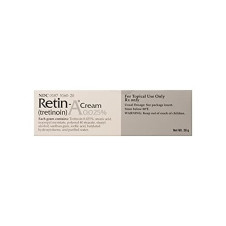
| Retin A 0.025 Crema Tretinoina 20 g | 69.96 € |
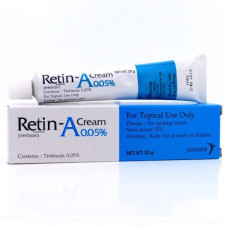
| Retin A 0.05 Crema Tretinoina 20 g | 70.84 € |
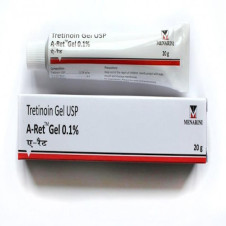
| A ret | 0.00 € |
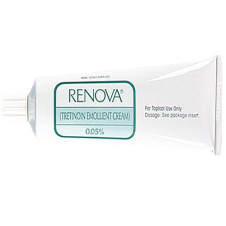
| Renova | 0.00 € |
| Tretinoina Gel | 0.00 € |
FAQ: Domande e risposte su Rughe nel 2026
-
È obbligatorio presentare la ricetta per acquistare Rughe?
-
È legale acquistare Rughe in Italia?
-
È possibile acquistare Rughe nella vostra farmacia online?
-
Quanto costa Rughe in Italia?
-
Quali metodi di pagamento sono disponibili?
-
Come funziona il servizio di spedizione?
-
Top dei prodotti più popolari in farmacia