


Medications for Osteopenia
Osteopenia is a condition characterized by lower-than-normal bone density, which can increase the risk of fractures over time. Early diagnosis and appropriate treatment are essential to prevent progression to osteoporosis, a more severe form of bone loss. Medications play a key role in managing osteopenia by helping to strengthen bones, reduce fracture risk, and improve overall quality of life. Understanding the available treatment options, their proper use, and the importance of medical supervision can empower patients to take proactive steps toward bone health.
What is Osteopenia?
Osteopenia is a condition where bone mineral density (BMD) is below normal but not low enough to be classified as osteoporosis. It primarily affects the skeletal system, especially the bones of the hips, spine, and wrists, and is often a chronic condition that develops gradually over years. Because it typically progresses silently without symptoms, early diagnosis is crucial to prevent fractures and further bone deterioration. Detecting osteopenia allows for timely intervention, which can significantly reduce the risk of severe bone loss and related complications.
Definition and Main Characteristics of Osteopenia
Osteopenia is defined by a BMD T-score between -1.0 and -2.5 standard deviations below the young adult mean. It results from an imbalance between bone resorption and formation, often influenced by aging, hormonal changes, or lifestyle factors. The disease is considered a precursor to osteoporosis and can remain stable or progress if not managed properly. Key features include its asymptomatic nature, increased fracture risk, and the fact that it affects mainly middle-aged and older adults, especially women after menopause. Groups at higher risk include postmenopausal women, the elderly, and individuals with certain medical conditions or lifestyle habits.
| Characteristic | Description |
|---|---|
| Bone Density Range | T-score between -1.0 and -2.5 |
| Progression | Can remain stable or worsen over time |
| Symptoms | Usually asymptomatic; fractures may be first sign |
| Risk Factors | Age, hormonal changes, lifestyle, genetics |
Diagnosis and When to See a Doctor
Diagnosis of osteopenia involves a combination of medical history, physical examination, and specialized tests. Bone mineral density testing, particularly dual-energy X-ray absorptiometry (DEXA), is the gold standard for confirming the condition. It’s important not to self-diagnose or start treatment without medical consultation, as only a healthcare professional can assess the severity and determine the most appropriate intervention. Early diagnosis improves treatment outcomes and helps prevent fractures or further bone loss.
Tests and Diagnostic Methods for Osteopenia
The primary diagnostic tool is the DEXA scan, which measures BMD at key sites like the hip and spine. Blood tests may also be performed to evaluate calcium, vitamin D levels, and markers of bone turnover, providing insight into underlying causes. Physical examination and assessment of risk factors complement laboratory tests. In some cases, additional imaging or laboratory studies are recommended to rule out other conditions affecting bone health.
Signs That Require Urgent Medical Attention
If you experience sudden or severe bone pain, unexplained fractures, or signs of spinal cord compression such as numbness or weakness, seek immediate medical care. These symptoms may indicate a fracture or spinal injury requiring urgent intervention. Delaying treatment in such cases can lead to permanent disability or complications. Recognizing these warning signs early can facilitate prompt diagnosis and management, reducing long-term risks.
Causes and Risk Factors of Osteopenia
Osteopenia develops due to a combination of internal and external factors that influence bone remodeling. Age-related decline in bone formation, hormonal changes such as decreased estrogen or testosterone, nutritional deficiencies, sedentary lifestyle, smoking, excessive alcohol consumption, certain medications, and genetic predisposition all contribute to its development. Environmental factors like inadequate sun exposure or poor diet can also impair calcium and vitamin D absorption, essential for healthy bones.
Factors Contributing to Osteopenia
Understanding these factors helps in prevention and management. For example, hormonal imbalances can accelerate bone loss, while lifestyle choices like smoking and inactivity worsen the condition. Often, multiple factors interact, increasing the overall risk. Recognizing and modifying these risk factors can significantly reduce the likelihood of developing osteopenia.
| Risk Factor | Description |
|---|---|
| Age | Bone density decreases naturally with aging |
| Hormonal Changes | Reduced estrogen/testosterone levels accelerate bone loss |
| Nutrition | Calcium and vitamin D deficiency impair bone strength |
| Lifestyle | Smoking, alcohol, and sedentary habits increase risk |
| Medications | Corticosteroids and certain drugs can weaken bones |
The manifestation of osteopenia is often silent, but early signs include minor fractures or bone pain. As the disease progresses, individuals may notice decreased height, stooped posture, or fractures from minor falls. Recognizing these early symptoms can prompt timely medical evaluation and intervention.
How to Recognize Early Signs of Osteopenia
In the initial stages, many people experience no symptoms. However, some may notice subtle signs such as slight back pain, loss of height over time, or increased susceptibility to fractures. These symptoms are often mistaken for normal aging but should prompt a consultation with a healthcare provider. Early detection through screening is essential for effective management and prevention of complications.
Types of Medications and Treatments
Managing osteopenia involves lifestyle modifications and, in some cases, pharmacological therapy. The choice of treatment depends on the severity, age, overall health, and risk factors of the patient. While dietary supplements and over-the-counter remedies may help, prescription medications are often necessary for significant bone loss. Always consult a healthcare professional before starting any treatment to ensure safety and appropriateness.
Medications for Osteopenia Treatment
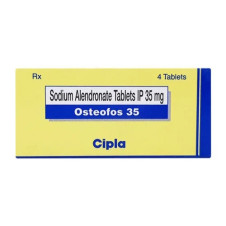
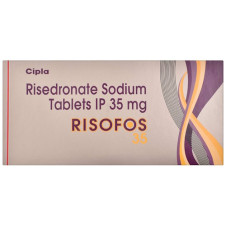
Several classes of drugs are used to improve bone density and reduce fracture risk. Bisphosphonates, such as alendronate and risedronate, are the most common and work by inhibiting bone resorption. Selective estrogen receptor modulators (SERMs), like raloxifene, mimic estrogen’s protective effects on bones. Other options include calcitonin, which helps regulate calcium levels, and parathyroid hormone analogs like teriparatide, used in more severe cases. The selection depends on individual risk profiles and medical advice.
| Type of Medication | Example Active Ingredient | Therapeutic Purpose |
|---|---|---|
| Bisphosphonates | Alendronate, Risedronate | Inhibit bone resorption, strengthen bones |
| SERMs | Raloxifene | Reduce bone loss, mimic estrogen effects |
| Calcitonin | Salmon calcitonin | Regulate calcium, reduce bone turnover |
| Parathyroid Hormone Analogs | Teriparatide | Stimulate bone formation in severe cases |
Natural Remedies for Osteopenia
Complementary approaches such as ensuring adequate calcium and vitamin D intake, engaging in weight-bearing exercises, and avoiding smoking and excessive alcohol can support bone health. Herbal supplements like horsetail or phytoestrogens may also be considered, but their efficacy is less established. These natural methods should be used alongside medical treatment and under professional guidance to ensure safety and effectiveness.
Forms and Presentations: Tablets, Capsules, Pills
Medications for osteopenia are commonly available in various forms, including tablets, capsules, and sometimes liquids or injections. Tablets and capsules are the most convenient and widely used, offering ease of dosing and portability. Injections may be prescribed for severe cases or when oral medications are contraindicated. Each form has specific advantages, such as rapid absorption or targeted delivery, which are considered by healthcare providers when tailoring treatment plans.
Over-the-Counter (OTC) Medications
For mild symptoms or as supportive measures, OTC supplements like calcium and vitamin D are often recommended. Non-prescription pain relievers, such as acetaminophen or NSAIDs, can help manage minor discomfort. However, these options are not substitutes for prescription medications and should be used only under medical advice. Persistent or worsening symptoms require professional evaluation to prevent progression.
Precautions and Side Effects
Even medications considered safe can cause adverse reactions if misused or taken inappropriately. Common side effects include gastrointestinal discomfort, nausea, or allergic reactions. Serious but rare effects may involve kidney issues, osteonecrosis of the jaw, or cardiovascular problems, especially with certain drugs like bisphosphonates. Following medical instructions, regular monitoring, and reporting any unusual symptoms are vital to minimize risks. Special caution is advised for vulnerable groups such as children, pregnant women, the elderly, or those with chronic illnesses.
Most Common Side Effects
Common mild side effects include stomach upset, heartburn, or muscle pain. Rare but severe reactions can involve allergic responses, jaw osteonecrosis, or kidney impairment. It’s important to be aware of these risks and consult a healthcare provider if any adverse effects occur. Regular follow-up appointments help ensure safe and effective treatment.
Tips for Safe Medication Use
- Always adhere to the prescribed dosage and schedule.
- Take medications with water, avoiding alcohol or certain foods if instructed.
- Store medicines in a cool, dry place away from children.
- Do not share medications with others.
- Attend regular check-ups to monitor treatment effectiveness and side effects.
Prevention and Daily Care
Preventive measures and daily habits are crucial in managing osteopenia and reducing fracture risk. Regular medical check-ups, a balanced diet rich in calcium and vitamin D, weight-bearing exercises, and avoiding smoking or excessive alcohol can make a significant difference. Early recognition of symptoms and prompt medical consultation help maintain bone health and prevent progression to osteoporosis. Tailoring these strategies to individual needs enhances their effectiveness.
Recommended Habits to Reduce Osteopenia Risk
Adopt a diet high in calcium-rich foods like dairy products, leafy greens, and fortified foods. Engage in regular weight-bearing and muscle-strengthening exercises, such as walking, jogging, or resistance training. Avoid smoking and limit alcohol intake to protect bone integrity. Ensure adequate sun exposure to boost vitamin D synthesis. Maintain a healthy weight and manage chronic conditions that may affect bone health.
| Area of Prevention | Recommended Measures | Main Benefit |
|---|---|---|
| Diet | Calcium and vitamin D intake | Supports bone mineralization |
| Exercise | Weight-bearing activities | Stimulates bone growth |
| Lifestyle | Quit smoking, limit alcohol | Reduces bone loss factors |
| Sun Exposure | Regular safe sun exposure | Enhances vitamin D production |
Additional Preventive Measures
Secondary prevention includes routine bone density screenings, vaccination against diseases that may impact bone health, and supplementation with calcium or vitamin D if deficiencies are identified. Following medical advice, adhering to prescribed treatments, and making lifestyle adjustments contribute to long-term bone health and overall well-being.
Prognosis and Recovery
The outlook for individuals with osteopenia largely depends on early detection, adherence to treatment, and lifestyle modifications. With appropriate management, most patients experience stabilization or improvement in bone density, reducing fracture risk. Continuous follow-up and a healthy lifestyle are essential for maintaining bone strength and preventing progression to osteoporosis.
Typical Recovery Time
The time required for improvement varies based on the severity of bone loss and the chosen treatment. Mild cases may show signs of stabilization within a few months, while more advanced cases or those on specific therapies like hormone treatment may take longer—often several months to a year. Chronic osteopenia requires ongoing management and periodic monitoring to assess progress and adjust therapies accordingly.
| Type of Case | Average Recovery Time | Comments |
|---|---|---|
| Mild Osteopenia | 3-6 months | Often stabilizes with lifestyle and supplements |
| Moderate to Severe | 6-12 months or longer | Requires medication and continuous monitoring |
| Chronic Osteopenia | Ongoing management | Progressive improvement possible with adherence |
Factors Enhancing Prognosis
- Early diagnosis and prompt treatment initiation
- Consistent adherence to prescribed therapy
- Healthy lifestyle choices, including diet and exercise
- Regular medical follow-up and monitoring
- Addressing underlying risk factors effectively
Lifestyle Changes for Better Outcomes
Adopting healthy habits such as balanced nutrition, regular physical activity, avoiding smoking, and limiting alcohol consumption can significantly improve recovery prospects. Maintaining a positive attitude and following medical advice diligently support bone health and reduce the likelihood of recurrence.
Potential Complications
If osteopenia is left untreated or poorly managed, it can lead to serious complications such as fractures, chronic pain, and reduced mobility. Spinal fractures may cause deformities and nerve compression, impacting quality of life. Preventing these outcomes depends on early intervention, proper treatment, and lifestyle modifications. Regular assessment and adherence to medical recommendations are vital to minimize these risks.
| Complication | Frequency | Severity | Prevention |
|---|---|---|---|
| Fractures | Common in advanced cases | Major, can cause disability | Timely treatment, lifestyle changes |
| Chronic Pain | Possible with spinal fractures | Persistent, affects quality of life | Bone health management |
| Mobility Loss | Increased with fractures | Severe, impacts independence | Prevention of fractures, rehab |
With proper treatment and ongoing care, most patients with osteopenia can achieve satisfactory health outcomes and avoid long-term complications.
Where to Buy Medications for Osteopenia
Medications for osteopenia are available both in pharmacies and online stores. Ensuring the purchase from licensed and reputable sources is essential to guarantee the quality and authenticity of the medicines. Avoiding counterfeit products is critical for safety and efficacy. Our online pharmacy offers all approved medications for osteopenia, with verified quality standards and secure purchasing options.
Safe Shopping in Our Online Pharmacy
Buying from our authorized online pharmacy provides several advantages, including professional consultation, guaranteed product authenticity, and secure payment options. Always verify the pharmacy’s license, check the packaging and expiration date, and consult the pharmacist if you have any doubts. Our platform ensures strict quality control, discreet packaging, and reliable delivery, making your shopping experience safe and convenient.
Can You Purchase Osteopenia Medications Online Without a Prescription?
All medications for osteopenia can be purchased online without a prescription through our pharmacy, in accordance with current regulations. However, it is strongly recommended to consult a healthcare professional before starting any treatment, even if the medication is available OTC. Proper medical guidance ensures safe use, appropriate dosing, and monitoring of treatment effectiveness. When buying online, ensure that the platform is licensed, provides detailed product information, and complies with safety standards to avoid counterfeit or substandard products.
Shipping Options and Quality Assurance
Our pharmacy offers various shipping methods, including standard, express, and international delivery, to meet your needs. We implement strict quality control measures such as tracking lot numbers, maintaining optimal storage conditions, and discreet packaging to preserve medication integrity. Each shipment is carefully monitored to ensure timely and safe delivery, with options for real-time tracking and customer support. These measures help guarantee that your medications arrive in perfect condition and are genuine.
Price, Availability, and Discounts in Italian Pharmacies
The cost of osteopenia medications in Italy varies depending on the drug’s brand or generic status, dosage, form (tablets, capsules, liquids), and whether a prescription is required. Prices can also differ between traditional pharmacies and online stores, with regional differences and promotional offers influencing affordability. Availability may fluctuate based on demand, seasonality, or supply chain factors, and some formulations may require special ordering. Many pharmacies offer discounts, coupons, loyalty programs, or seasonal promotions that can make treatments more accessible. Comparing prices across different outlets and consulting pharmacists about generic alternatives can help optimize costs. Patients are encouraged to inquire about discounts and stock availability to ensure timely access to necessary medications.
| Prodotti in farmacia | Prezzo |
|---|---|
| Alendronato | 0.00 € |
| Risedronato | 0.00 € |
FAQ: Domande e risposte su Osteopenia nel 2026
-
È obbligatorio presentare la ricetta per acquistare Osteopenia?
-
È legale acquistare Osteopenia in Italia?
-
È possibile acquistare Osteopenia nella vostra farmacia online?
-
Quanto costa Osteopenia in Italia?
-
Quali metodi di pagamento sono disponibili?
-
Come funziona il servizio di spedizione?