


Medications for Melanoma
Melanoma is a serious type of skin cancer that develops from pigment-producing cells called melanocytes. Early diagnosis and appropriate treatment are essential to prevent the spread of the disease and improve outcomes. Pharmacological therapies play a crucial role in managing melanoma, especially in advanced stages, helping to control tumor growth and prolong survival. Understanding the available medications and how they work can empower patients to make informed decisions in collaboration with their healthcare providers.
What is Melanoma?
Melanoma is a malignant tumor that originates in the skin’s melanocytes, the cells responsible for producing pigment. It can appear as a new mole or an existing mole that changes in size, shape, or color. Melanoma is less common than other skin cancers but is more aggressive and can spread rapidly if not treated promptly. The disease affects both men and women, with higher prevalence among fair-skinned individuals exposed to intense sunlight. Early detection is vital because it significantly increases the chances of successful treatment and reduces the risk of metastasis.
Definition and Main Characteristics of Melanoma
Melanoma is a type of skin cancer characterized by the uncontrolled growth of melanocytes. It typically develops on sun-exposed areas but can also occur in areas not exposed to sunlight. The disease progresses through stages, from localized tumors to widespread metastasis, making early diagnosis crucial. Risk factors include excessive sun exposure, tanning bed use, genetic predisposition, and a history of sunburns. Melanoma can be classified into different types, such as superficial spreading, nodular, lentigo maligna, and acral lentiginous melanoma, each with distinct features and growth patterns. The prognosis depends heavily on the stage at diagnosis, with early-stage melanoma being highly treatable.
Diagnosis and When to Consult a Doctor
Diagnosing melanoma involves a thorough skin examination by a healthcare professional, who may use dermoscopy to evaluate suspicious lesions. If melanoma is suspected, a biopsy is performed to confirm the diagnosis and determine the tumor’s characteristics. It is important not to self-diagnose or attempt to treat skin changes without medical advice, as delays can lead to disease progression. Regular skin checks, especially for individuals at higher risk, can facilitate early detection and improve treatment success rates. Consulting a doctor promptly when noticing new or changing moles is essential for timely intervention.
Diagnostic Tests and Methods for Melanoma
Diagnosis typically begins with visual inspection and dermoscopy, which enhances the visualization of skin structures. A biopsy, where a small tissue sample is removed and examined microscopically, confirms the presence of melanoma. Additional imaging tests such as ultrasound, CT scans, or PET scans may be used to assess the extent of spread in advanced cases. Laboratory tests are generally limited to supporting staging and treatment planning rather than initial diagnosis. The combination of clinical examination and histopathological analysis provides the most accurate diagnosis.
| Type of Test | Purpose | Diagnostic Value |
|---|---|---|
| Dermoscopy | Examine suspicious skin lesions | High sensitivity for identifying melanoma features |
| Biopsy | Confirm diagnosis | Gold standard for diagnosis |
| Imaging (Ultrasound, CT, PET) | Assess spread and staging | Important for advanced disease management |
Signs That Require Urgent Medical Attention
If you notice a mole that suddenly changes in size, shape, or color, or if it develops irregular borders, bleeding, or ulceration, seek medical care immediately. Other warning signs include the appearance of new pigmented lesions, persistent itching, or pain in a mole. Rapidly spreading skin lesions or symptoms of metastasis, such as unexplained weight loss or fatigue, also warrant urgent evaluation. Prompt medical attention can prevent the disease from advancing and improve treatment outcomes.
Causes and Risk Factors of Melanoma
Melanoma develops due to a combination of genetic and environmental factors. Excessive exposure to ultraviolet (UV) radiation from sunlight or tanning beds significantly increases risk. Genetic predisposition, such as having a family history of melanoma or inherited mutations, also plays a role. Other factors include fair skin, light hair, numerous moles, and a history of sunburns, especially during childhood. Age and immune system suppression can further elevate risk, making certain populations more vulnerable. Understanding these factors helps in adopting preventive measures to reduce the likelihood of developing melanoma.
Factors Contributing to Melanoma Development
These factors can be internal, such as genetic mutations, or external, like environmental exposure. For example, prolonged UV exposure damages DNA in skin cells, leading to mutations that can initiate melanoma. A history of severe sunburns, especially early in life, increases risk. Having many moles or atypical moles also predisposes individuals to melanoma. Lifestyle choices, such as tanning bed use, further compound the risk, especially when combined with genetic susceptibility. Recognizing these factors underscores the importance of preventive behaviors and regular skin monitoring.
| Risk Factor | Description | Probability Increase |
|---|---|---|
| UV Exposure | Sunlight and tanning beds cause DNA damage | High |
| Genetics | Family history or inherited mutations | Moderate to high |
| Fair Skin and Light Hair | Less melanin offers less protection from UV | Increased |
Manifestations and Symptoms of Melanoma
Melanoma often appears as a new or changing mole, with asymmetry, irregular borders, multiple colors, and a diameter larger than 6mm. Symptoms can include itching, tenderness, or bleeding in the affected area. The appearance varies depending on the stage; early melanoma may look like a typical mole, while advanced stages can involve ulceration or nodules. Recognizing these signs early allows for prompt treatment, which is critical for better prognosis. Changes in existing moles should always be evaluated by a healthcare professional.
How to Recognize Early Signs of Melanoma
Early melanoma signs include a mole that changes in size, shape, or color over weeks or months. The ABCDE rule helps identify suspicious lesions: Asymmetry, Border irregularity, Color variation, Diameter over 6mm, and Evolving appearance. Moles that suddenly become raised, bleed, or itch should be examined promptly. Differentiating melanoma from benign moles involves noting these changes and consulting a dermatologist for assessment. Early detection is vital for effective treatment and improved survival rates.
Types of Medications and Treatments
Managing melanoma depends on its stage and characteristics. Treatment options range from surgical removal for early-stage tumors to targeted therapies and immunotherapy for advanced disease. The choice of medication is tailored to the individual, considering age, overall health, and disease progression. While some medications are available over the counter for minor skin issues, melanoma requires prescription medications administered under medical supervision. Combining different therapies can improve outcomes, especially in metastatic melanoma.
Medications for Melanoma Treatment
The main groups of drugs used in melanoma therapy include targeted therapies, immunotherapies, and chemotherapy. Targeted therapies, such as BRAF inhibitors like vemurafenib, specifically attack mutations in tumor cells. Immunotherapies, including checkpoint inhibitors like pembrolizumab and nivolumab, stimulate the immune system to recognize and destroy cancer cells. Chemotherapy may be used in certain cases but is less common due to newer, more effective options. The choice of medication depends on the tumor’s genetic profile and disease stage.
| Type of Drug | Example of Active Ingredient | Therapeutic Goal |
|---|---|---|
| Targeted Therapy | Vemurafenib | Inhibit specific mutations in tumor cells |
| Immunotherapy | Pembrolizumab | Enhance immune response against melanoma |
| Chemotherapy | Dacarbazine | Kill rapidly dividing cancer cells |
Natural Remedies for Melanoma
While conventional treatments are essential, some complementary approaches may help alleviate symptoms or support overall well-being. These include herbal teas with antioxidant properties, such as green tea, or dietary supplements rich in vitamins C and E. Aromatherapy and stress reduction techniques can also improve quality of life. However, these remedies should never replace medical treatment and must be used under medical supervision to avoid interactions or delays in effective therapy.
Forms and Presentations: Tablets, Capsules, and More
Medications for melanoma are available in various forms, including tablets, capsules, injections, and topical preparations. Oral forms like tablets and capsules are convenient for systemic therapy, providing ease of administration. Injections are often used for immunotherapy or targeted therapy, requiring administration in clinical settings. Topical treatments, such as creams or ointments, are generally limited to skin lesions or palliative care. Each form offers specific advantages, such as rapid absorption or localized effect, tailored to the treatment plan.
| Formulation | Characteristics | Most Common Use |
|---|---|---|
| Tablets | Oral, easy to take, controlled release possible | Systemic therapy |
| Injections | Administered in clinical settings, fast action | Immunotherapy, targeted therapy |
| Topical creams | Localized application, minimal systemic absorption | Skin lesions or palliative care |
Over-the-Counter (OTC) Medications
For mild symptoms such as skin irritation or discomfort, OTC medications like hydrocortisone creams or antihistamines may provide relief. These should be used cautiously and only for minor issues, as they do not treat melanoma itself. It is important to consult a healthcare professional if symptoms persist or worsen, as self-medication cannot replace proper medical evaluation and treatment. Always follow package instructions and seek advice if uncertain about their use.
Precautions and Side Effects
Even medications that are generally safe can cause adverse reactions, especially if misused. Common side effects include nausea, fatigue, skin rash, or gastrointestinal discomfort. Serious reactions, though rare, may involve allergic responses, liver toxicity, or cardiovascular issues. Monitoring by a healthcare provider helps detect and manage side effects early. Particular caution is needed for vulnerable groups such as children, pregnant women, older adults, or those with chronic illnesses, who may require dose adjustments or additional precautions.
Most Common Side Effects
Side effects can be categorized as mild or severe. Mild effects include fatigue, nausea, or skin irritation, which often resolve without intervention. Severe reactions, such as allergic reactions, liver damage, or heart problems, require immediate medical attention. The risk of side effects varies depending on the medication and individual health status. Regular follow-up and reporting any unusual symptoms are essential to ensure safe treatment.
| Type of Effect | Frequency | Severity | Recommendation |
|---|---|---|---|
| Nausea, Fatigue | Common | Mild | Manage with supportive care; consult doctor if persistent |
| Allergic reactions | Rare | Severe | Seek immediate medical help |
| Liver toxicity | Uncommon | Severe | Regular liver function tests; report symptoms like jaundice |
Safe Use of Medications
To minimize risks, always follow the prescribed dosage and schedule. Avoid alcohol or incompatible medications unless approved by your doctor. Store medicines in a cool, dry place away from children. Regular check-ups are vital to monitor treatment effects and adjust doses if necessary. Do not stop or alter medication without medical advice, and report any side effects promptly to your healthcare provider.
Prevention and Daily Care
Preventive measures and daily habits are key to reducing melanoma risk and supporting overall health. Regular skin examinations, sun protection, and avoiding tanning beds are fundamental. Maintaining a healthy lifestyle, including a balanced diet, regular exercise, and adequate rest, can strengthen the immune system. Early recognition of suspicious skin changes and prompt medical consultation can prevent disease progression. Tailoring prevention strategies to individual risk factors enhances their effectiveness.
Recommended Habits to Reduce Melanoma Risk
Implementing simple daily routines can significantly lower the chance of developing melanoma. Use broad-spectrum sunscreens with high SPF, wear protective clothing, and seek shade during peak sunlight hours. Avoid tanning beds and artificial UV sources. Regularly check your skin for new or changing moles, and visit a dermatologist annually for professional skin exams. Avoid excessive sun exposure, especially during childhood, and educate family members about skin health. These habits contribute to long-term skin health and melanoma prevention.
Additional Preventive Measures
Secondary preventive actions include routine medical screenings, especially for high-risk individuals. Vaccinations are not relevant for melanoma prevention, but maintaining overall health through proper nutrition and vitamin supplementation may support immune function. Following your doctor’s recommendations for skin monitoring and protective behaviors enhances early detection and reduces the risk of advanced disease. Staying informed about new research and guidelines ensures the adoption of the most effective preventive strategies.
Prognosis and Recovery
The outlook for melanoma patients depends largely on the stage at diagnosis, tumor characteristics, and response to treatment. Early-stage melanoma has a high cure rate with surgical removal, while advanced stages require more complex therapies. Adherence to treatment plans and lifestyle modifications can improve recovery prospects. Regular follow-up is essential to detect recurrences early and manage any ongoing health issues. Overall, with timely intervention, many patients achieve favorable outcomes.
Typical Recovery Time
The recovery period varies based on disease severity and treatment type. Mild cases treated with surgery may recover within a few days to weeks, with minimal residual effects. More extensive treatments, such as immunotherapy or targeted therapy, may require several weeks or months for full recovery and adjustment. For chronic or metastatic melanoma, ongoing management and monitoring are necessary, often involving long-term therapy. The healthcare team will tailor follow-up schedules to optimize healing and detect any signs of recurrence early.
| Type of Case | Average Recovery Time | Comments |
|---|---|---|
| Early-stage melanoma (surgical removal) | Few days to weeks | Complete recovery usually expected |
| Advanced melanoma (immunotherapy, targeted therapy) | Several weeks to months | Ongoing management may be necessary |
Factors Improving Prognosis
Key factors that enhance the chances of complete remission include early detection, complete surgical excision, and adherence to treatment protocols. A strong immune response, absence of metastasis, and favorable tumor biology also contribute. Patient engagement in follow-up care and lifestyle modifications further improve outcomes. Regular monitoring and prompt management of any recurrence are critical for long-term survival. Combining medical and behavioral strategies maximizes the likelihood of a positive prognosis.
- Early diagnosis and treatment initiation
- Complete removal of the tumor
- Adherence to prescribed therapies
- Healthy lifestyle and skin protection
- Regular follow-up appointments
Lifestyle Changes for Better Outcomes
Patients are encouraged to adopt healthy habits that support recovery and prevent recurrence. These include maintaining a balanced diet rich in antioxidants, avoiding excessive sun exposure, and practicing good skin hygiene. Managing stress and ensuring adequate rest can strengthen the immune system. Quitting smoking and limiting alcohol intake are also beneficial. Engaging in regular physical activity and staying vigilant for new skin changes help maintain overall health and reduce the risk of melanoma returning.
Potential Complications
If melanoma is left untreated or poorly managed, it can lead to serious complications. These include local tissue destruction, metastasis to vital organs such as the lungs, liver, or brain, and increased mortality risk. Other issues may involve ulceration, infection, or significant functional impairment depending on tumor location. Preventing these outcomes depends on early diagnosis, effective treatment, and active patient participation in follow-up care. Recognizing warning signs early can prevent progression to life-threatening stages.
| Complication | Frequency | Severity | Prevention |
|---|---|---|---|
| Metastasis | Common in advanced cases | Severe | Early detection and complete removal |
| Organ failure | Infrequent | Severe | Timely treatment of metastases |
| Local tissue destruction | Variable | Moderate to severe | Prompt surgical intervention |
With proper medical care and active management, most melanoma patients can achieve satisfactory recovery and avoid long-term complications.
Where to Purchase Melanoma Medications
Medications for melanoma are available both in physical pharmacies and online. It is crucial to verify the licensing and reputation of the pharmacy to ensure the authenticity and quality of the medicines. Avoid counterfeit products by purchasing from trusted sources. Our online pharmacy offers all melanoma medications with guaranteed authenticity and safety, providing a convenient way to access necessary treatments in Italy.
Secure Shopping in Our Online Pharmacy
Shopping at our authorized online pharmacy offers numerous benefits, including professional advice, guaranteed product quality, and secure payment options. We ensure the authenticity of all medicines through strict quality controls and proper packaging. Customers can benefit from easy returns and discreet shipping. To ensure a safe purchase, always check the pharmacy’s license, examine the packaging for tampering, verify expiration dates, and consult our pharmacists for any questions.
Can Melanoma Medications Be Purchased Online Without a Prescription?
All medications used for melanoma treatment are available online without a prescription through our pharmacy, in accordance with Italian regulations. This allows patients to access essential therapies conveniently, but it remains important to consult a healthcare professional before starting any treatment. Proper medical guidance ensures the correct medication, dosage, and monitoring of side effects. Patients should provide accurate health information and follow instructions carefully to maximize safety and effectiveness.
Shipping Options and Quality Assurance
We offer various shipping methods, including standard, express, and international delivery, to meet different needs. Our quality control measures include tracking lot numbers, monitoring storage conditions such as temperature, and ensuring secure, discreet packaging. Each shipment is carefully managed to guarantee the integrity of the medicines upon arrival. Customers can track their orders and verify delivery status, ensuring a reliable and safe purchasing experience.
Price, Availability, and Discounts in Italian Pharmacies
The cost of melanoma medications in Italy varies depending on the drug’s brand or generic status, dosage, form (tablets, capsules, injections), and whether a prescription is required. Regional differences and pharmacy policies can also influence pricing. Availability may fluctuate based on demand, seasonal factors, or supply chain issues; some formulations might be available only upon request. Many pharmacies offer discounts, promotional codes, or loyalty programs, making treatments more affordable. Patients are encouraged to compare prices across different outlets, inquire about generic options, and ask pharmacists about current promotions to find the best deal. Planning ahead and seeking advice can help ensure access to the necessary medications at a reasonable cost.
| Prodotti in farmacia | Prezzo |
|---|---|
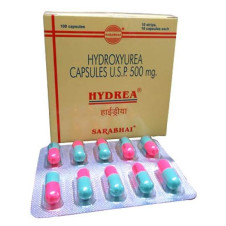
| Hydrea 500 mg compresse | 98.82 € |
FAQ: Domande e risposte su Melanoma nel 2026
-
È obbligatorio presentare la ricetta per acquistare Melanoma?
-
È legale acquistare Melanoma in Italia?
-
È possibile acquistare Melanoma nella vostra farmacia online?
-
Quanto costa Melanoma in Italia?
-
Quali metodi di pagamento sono disponibili?
-
Come funziona il servizio di spedizione?
-
Top dei prodotti più popolari in farmacia