



Medications for Lymphoma
Lymphoma is a type of cancer that originates in the lymphatic system, which is part of the body's immune defense. It can affect lymph nodes, spleen, bone marrow, and other organs. Due to its potential severity, prompt diagnosis and appropriate treatment are essential to control symptoms and improve quality of life. Medications play a crucial role in managing lymphoma, often combined with other therapies such as chemotherapy or radiation. Understanding the available drugs and their proper use can help patients navigate their treatment options more confidently.
What is Lymphoma?
Lymphoma is a cancer that develops from lymphocytes, a type of white blood cell involved in immune responses. It primarily affects lymph nodes but can also involve other parts of the lymphatic system and organs. The disease can be classified as Hodgkin or non-Hodgkin lymphoma, with the latter being more common and diverse. It tends to be a chronic condition, but early detection and treatment can significantly improve outcomes. Recognizing symptoms early is vital because it allows for timely intervention, which can prevent progression and complications.
Definition and Main Characteristics of Lymphoma
Lymphoma is a malignant proliferation of lymphocytes that can develop in lymphatic tissues or other organs. It is caused by genetic mutations, environmental factors, or infections such as Epstein-Barr virus. The disease often progresses slowly but can become aggressive if untreated. Key features include painless swollen lymph nodes, fatigue, weight loss, and fever. Risk groups include older adults, immunocompromised individuals, and those with a family history of lymphoma. The disease's course varies from indolent to highly aggressive, requiring tailored treatment strategies.
Diagnosis and When to Consult a Doctor
Diagnosing lymphoma involves a combination of physical examinations, blood tests, imaging studies, and biopsies. Medical professionals use techniques such as lymph node biopsy, PET scans, and blood work to confirm the presence and type of lymphoma. It is crucial not to self-medicate or delay consultation if symptoms like persistent swelling, unexplained weight loss, or fever occur. Only a specialist can accurately assess the disease's severity and prescribe the most appropriate treatment plan. Early diagnosis improves the chances of successful management and reduces the risk of complications.
Diagnostic Tests and Methods for Lymphoma
Diagnosis typically begins with a physical exam to identify swollen lymph nodes. Blood tests help evaluate overall health and detect abnormal cells. Imaging techniques like CT or PET scans visualize affected areas. The definitive diagnosis is made through a biopsy, where a tissue sample is examined microscopically. Additional tests may include bone marrow biopsies or molecular studies to determine the specific lymphoma subtype. These methods collectively provide a comprehensive understanding of the disease's extent and guide treatment decisions.
| Test Type | Purpose | Diagnostic Value |
|---|---|---|
| Biopsy | Confirm lymphoma presence | Gold standard for diagnosis |
| Blood Tests | Assess overall health, detect abnormal cells | Supportive, not definitive |
| Imaging (CT, PET) | Identify affected areas and staging | Essential for disease extent |
Signs That Require Urgent Medical Attention
If you experience symptoms such as severe swelling of lymph nodes, persistent fever, unexplained weight loss, night sweats, or sudden pain, seek immediate medical care. These signs may indicate disease progression or complications that need prompt intervention. Delaying medical attention can lead to worsening health status and limit treatment options. Always consult a healthcare professional if symptoms are severe, persistent, or worsening.
Causes and Risk Factors of Lymphoma
While the exact cause of lymphoma remains unclear, several factors are associated with increased risk. These include genetic predisposition, infections like Epstein-Barr virus, exposure to certain chemicals or radiation, and immune system deficiencies. Lifestyle factors such as smoking and obesity may also contribute. Age is a significant factor, with higher incidence in older adults. Understanding these risk factors can help in adopting preventive measures and early detection strategies.
| Risk Factor | Description | Probability |
|---|---|---|
| Genetics | Family history increases risk | Moderate |
| Infections | Viruses like EBV or HIV | Variable |
| Environmental Exposure | Chemicals, radiation | Lower but significant |
Factors Contributing to Lymphoma Development
Multiple internal and external factors can contribute to lymphoma development. Genetic mutations may occur spontaneously or due to environmental influences. Chronic infections and immune suppression can facilitate abnormal cell growth. Lifestyle choices, such as smoking or exposure to toxic substances, also play a role. Often, a combination of these factors interacts, increasing the overall risk. Recognizing these contributors helps in understanding disease mechanisms and emphasizes the importance of preventive measures.
Symptoms and Early Recognition of Lymphoma
The most common early symptom is painless swelling of lymph nodes, often in the neck, armpits, or groin. Other signs include fatigue, unexplained weight loss, fever, night sweats, and itching. Symptoms may vary depending on the lymphoma subtype and stage. Early recognition of these signs can lead to prompt diagnosis and treatment, improving prognosis. It is important not to ignore persistent or unusual symptoms, as they may indicate underlying disease requiring medical evaluation.
How to Recognize the First Signs of Lymphoma
Initial symptoms often include swollen, painless lymph nodes that do not resolve over time. Fatigue, fever, and weight loss are also common early indicators. These signs can resemble infections or other benign conditions, so medical consultation is essential for accurate diagnosis. Recognizing these early symptoms allows for timely testing and intervention, which can significantly influence treatment success. If symptoms persist beyond a few weeks, consulting a healthcare professional is strongly recommended.
| Symptom Type | Frequency | Estimated Severity | Notes |
|---|---|---|---|
| Painless lymph node swelling | Common | Moderate | Usually early sign |
| Fever and night sweats | Variable | Variable | May indicate advanced disease |
| Unintentional weight loss | Common | Moderate to severe | Requires medical evaluation |
Types of Medications and Treatments
The management of lymphoma depends on its type, stage, and patient health. Treatment often involves chemotherapy, targeted therapy, immunotherapy, or a combination. While some mild symptoms can be managed with over-the-counter remedies, most cases require potent prescription drugs under medical supervision. The choice of therapy is personalized, aiming to maximize effectiveness while minimizing side effects. Patients should always follow their healthcare provider's guidance for optimal results.
Medications for Lymphoma Treatment
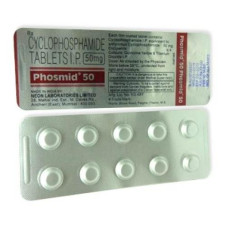
Several classes of drugs are used in lymphoma therapy, including chemotherapeutic agents, monoclonal antibodies, and targeted therapies. Chemotherapy drugs like cyclophosphamide or doxorubicin work by destroying rapidly dividing cells. Monoclonal antibodies such as rituximab specifically target cancer cells, sparing healthy tissue. Targeted therapies interfere with specific molecules involved in cancer growth. The combination of these drugs often enhances treatment efficacy and improves survival rates.
| Drug Type | Example of Active Ingredient | Therapeutic Goal |
|---|---|---|
| Chemotherapy | Cyclophosphamide | Kill cancer cells |
| Monoclonal Antibodies | Rituximab | Target specific cancer markers |
| Targeted Therapy | Ibrutinib | Inhibit cancer cell growth pathways |
Natural Remedies for Lymphoma
Complementary approaches such as nutritional support, herbal teas, acupuncture, and stress reduction techniques may help alleviate some symptoms or improve overall well-being. For example, maintaining a balanced diet rich in antioxidants, practicing relaxation exercises, or using certain herbal supplements might support the immune system. However, these methods should never replace prescribed medical treatments. Always consult your healthcare provider before starting any natural remedy to ensure safety and appropriateness.
Forms and Presentations: Tablets, Capsules, Liquids
Medications for lymphoma are available in various forms, including tablets, capsules, injectable solutions, and infusions. Tablets and capsules are convenient for oral administration and often used in outpatient settings. Liquids or infusions are typically administered in hospitals or clinics, especially for chemotherapy. Each form offers specific advantages, such as rapid absorption or ease of use, depending on the medication and treatment plan.
| Formulation | Characteristics | Most Common Use |
|---|---|---|
| Tablets | Oral, convenient, stable | Maintenance therapy |
| Capsules | Oral, easy to swallow | Flexible dosing |
| Injectables | Intravenous or intramuscular | Initial intensive treatment |
Over-the-Counter (OTC) Medications
For mild symptoms such as discomfort or fever, OTC medications like acetaminophen or ibuprofen can provide relief. These should be used cautiously and only for short-term symptom management. It is important to remember that OTC drugs do not treat lymphoma itself and should not replace prescribed therapies. If symptoms persist or worsen, consulting a healthcare professional is essential for proper evaluation and treatment planning.
Precautions and Side Effects
Even medications considered safe can cause adverse reactions, especially when misused or in vulnerable populations. Common side effects include nausea, fatigue, allergic reactions, or gastrointestinal discomfort. Serious complications like liver toxicity or heart problems may occur with certain drugs. Following medical instructions carefully and monitoring for symptoms help reduce risks. Particular caution is advised for children, pregnant women, the elderly, or those with chronic illnesses, who may require tailored dosing or additional precautions.
Most Common Side Effects
Common mild side effects include nausea, hair loss, fatigue, and skin reactions. Serious adverse effects, though less frequent, can involve allergic reactions, infections, or organ toxicity. It is important to report any unusual or severe symptoms to your healthcare provider promptly. Regular monitoring through blood tests and clinical assessments helps detect and manage side effects early.
| Type of Effect | Frequency | Severity | Recommendation |
|---|---|---|---|
| Nausea and Fatigue | Common | Mild | Manage with supportive care |
| Allergic reactions | Rare | Severe | Seek immediate medical attention |
| Organ toxicity | Variable | Serious | Regular monitoring required |
Safe Use of Medications
- Always follow the prescribed dosage and schedule.
- Do not mix medications with alcohol or certain foods unless approved by your doctor.
- Store medicines in a cool, dry place away from children.
- Attend all scheduled follow-up appointments for monitoring.
- Report any side effects or adverse reactions promptly.
Responsible medication use and regular medical follow-up are key to achieving the best treatment outcomes and preventing complications.
Prevention and Daily Care
Implementing healthy lifestyle habits and routine medical check-ups can help manage and reduce the risk of lymphoma. Maintaining a balanced diet, engaging in regular physical activity, avoiding tobacco and excessive alcohol, and managing stress are beneficial. Early detection of symptoms and prompt medical evaluation are crucial for effective intervention. Tailoring prevention strategies to age, gender, and health status enhances their effectiveness. Consistent adherence to medical advice supports overall well-being and disease management.
Recommended Habits to Reduce Lymphoma Risk
Adopt a nutritious diet rich in fruits and vegetables, exercise regularly, avoid smoking, limit alcohol intake, and practice good hygiene. Managing stress through relaxation techniques and ensuring adequate sleep also contribute to immune health. Regular health screenings can detect early signs of disease, enabling timely treatment. These lifestyle modifications collectively lower the likelihood of developing or experiencing recurrence of lymphoma.
| Prevention Area | Recommended Measures | Main Benefit |
|---|---|---|
| Diet | Balanced, antioxidant-rich foods | Boosts immune function |
| Exercise | Moderate, regular activity | Enhances overall health |
| Hygiene & Lifestyle | Good hygiene, no smoking | Reduces infection risk |
Additional Preventive Measures
Secondary prevention includes routine medical check-ups, vaccination against preventable infections, and adherence to medical advice. Regular monitoring can detect early disease signs or recurrence, improving prognosis. Vaccinations, where appropriate, help prevent infections linked to lymphoma risk. Supplementing with vitamins or medications as recommended supports immune health. Following medical guidance ensures comprehensive care and optimal disease management.
L'adozione di queste misure preventive non solo riduce il rischio di sviluppare linfoma, ma contribuisce anche al benessere generale e a una migliore qualità della vita a lungo termine.
Prognosis and Recovery
The outlook for lymphoma patients depends on the specific type, stage at diagnosis, treatment response, and overall health. With appropriate therapy, most patients experience favorable outcomes, especially when diagnosed early. Adherence to treatment plans and lifestyle adjustments can further improve prognosis. Continuous follow-up is essential to monitor for recurrence or complications. Advances in targeted therapies and immunotherapy have increased survival rates and quality of life for many patients.
Typical Recovery Time
The recovery period varies based on disease severity and treatment modality. Mild cases may see symptom resolution within a few days to weeks, while more aggressive or advanced lymphoma may require several months of therapy and recovery. For chronic or relapsing forms, ongoing management and regular monitoring are necessary to achieve disease control. Patients should discuss their expected recovery timeline with their healthcare team for personalized guidance.
| Case Type | Average Recovery Time | Comments |
|---|---|---|
| Early-stage lymphoma | Few weeks to months | Often complete remission |
| Advanced or aggressive lymphoma | Several months | Requires ongoing treatment |
Factors That Improve Prognosis
- Early diagnosis and treatment initiation
- Complete adherence to therapy protocols
- Good overall health and immune function
- Use of targeted and immunotherapies
- Regular follow-up and monitoring
These factors significantly increase the chances of remission and reduce the risk of relapse.
Lifestyle Changes for Better Outcomes
Patients are encouraged to adopt healthy habits such as balanced nutrition, regular exercise, adequate rest, and stress management. Avoiding tobacco and limiting alcohol consumption support immune health. Maintaining a positive outlook and adhering to medical advice can accelerate recovery and prevent recurrences. These lifestyle modifications complement medical treatments and contribute to overall well-being.
Possible Complications
Without proper treatment or control, lymphoma can lead to serious complications such as organ failure, infections due to immune suppression, or secondary cancers. It may also cause symptoms like persistent pain, bleeding, or neurological issues if it spreads. Preventing these outcomes depends on timely medical intervention and active patient participation. Managing side effects and monitoring disease progression are essential for minimizing risks.
| Complication | Frequency | Severity | Prevention |
|---|---|---|---|
| Organ failure | Less common | Serious | Effective treatment |
| Infections | Common | Variable | Monitoring and prophylaxis |
| Secondary cancers | Rare | Serious | Regular screening |
Con un trattamento adeguato e cure costanti, la maggior parte dei pazienti con linfoma guarisce in modo soddisfacente ed evita complicazioni a lungo termine.
Where to Buy Medications for Lymphoma
I farmaci per il trattamento del linfoma sono disponibili sia in farmacia fisica sia online. È fondamentale verificare che la farmacia sia autorizzata e che i farmaci siano di alta qualità, per evitare contraffazioni o prodotti scaduti. Acquistare da fonti affidabili garantisce sicurezza e efficacia del trattamento. Ricorda di controllare la licenza, la confezione, la data di scadenza e di consultare sempre il farmacista o il medico prima di assumere qualsiasi medicinale.
Safe Shopping in Our Online Pharmacy
Acquistare nella nostra farmacia online autorizzata offre numerosi vantaggi, tra cui consulenza professionale, garanzia di qualità e verifica dell'autenticità dei prodotti. La piattaforma garantisce la tracciabilità dei lotti e un imballaggio discreto e sicuro. Prima di procedere all'acquisto, verifica la licenza, controlla la confezione e la data di scadenza, e consulta il nostro farmacista per eventuali dubbi. La sicurezza e l'affidabilità sono priorità assolute per garantire un trattamento efficace e senza rischi.
Can I Buy Lymphoma Medications Online Without a Prescription?
Sì, presso la nostra farmacia online tutti i farmaci per il linfoma sono disponibili senza prescrizione medica, garantendo un accesso rapido e sicuro ai trattamenti necessari. Tuttavia, è importante sottolineare che l'automedicazione può essere rischiosa e che la supervisione di un medico è fondamentale per un trattamento efficace e sicuro. Consigliamo di consultare sempre un professionista prima di iniziare qualsiasi terapia, anche online, per assicurarsi che il farmaco sia appropriato e che venga assunto correttamente.
- Verificare la licenza della farmacia
- Controllare la qualità e l'autenticità dei prodotti
- Leggere attentamente le istruzioni d'uso
- Consultare un farmacista o medico in caso di dubbi
- Assicurarsi che il sito sia sicuro e protetto
Shipping Options and Quality Assurance
Offriamo diverse modalità di spedizione, tra cui standard, espresso e internazionale, per garantire consegne rapide e affidabili. La nostra piattaforma implementa rigorosi controlli di qualità, come la tracciabilità dei lotti, il monitoraggio della temperatura durante il trasporto e imballaggi discreti e sicuri. La tracciabilità della spedizione permette di seguire ogni fase del processo, assicurando che i farmaci arrivino integri e pronti all'uso. La qualità e la sicurezza sono la nostra priorità, per offrire ai clienti un servizio affidabile e professionale.
Price, Availability, and Discounts in Italy
Il costo dei farmaci per il linfoma in Italia può variare in base a diversi fattori, tra cui il nome commerciale o generico, il dosaggio, la forma farmaceutica (compresse, capsule, sciroppi), e se sono disponibili con prescrizione o meno. La disponibilità può cambiare a seconda della domanda, della regione e delle scorte di magazzino; alcune formulazioni potrebbero essere su richiesta o soggette a stagionalità. Molte farmacie offrono promozioni, sconti, coupon e programmi fedeltà che rendono più accessibile il trattamento. È consigliabile confrontare i prezzi tra farmacie fisiche e online, chiedere informazioni su eventuali offerte e verificare la disponibilità di alternative generiche o di formulazioni diverse. Se si necessita di un dosaggio o di una forma insolita, è utile informarsi in anticipo su come ordinarlo o su eventuali alternative più facilmente reperibili.
| Prodotti in farmacia | Prezzo |
|---|---|
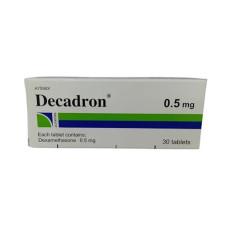
| Decadron 0.5/1 mg compresse | 12.94 € |
| Alkacel | 0.00 € |
| Ciclofosfamide | 0.00 € |
FAQ: Domande e risposte su Linfoma nel 2026
-
È obbligatorio presentare la ricetta per acquistare Linfoma?
-
È legale acquistare Linfoma in Italia?
-
È possibile acquistare Linfoma nella vostra farmacia online?
-
Quanto costa Linfoma in Italia?
-
Quali metodi di pagamento sono disponibili?
-
Come funziona il servizio di spedizione?
-
Top dei prodotti più popolari in farmacia