


Medications for Edema: An Overview
Edema, characterized by swelling caused by excess fluid trapped in the body's tissues, is a common condition that can affect various parts of the body, such as the legs, ankles, or abdomen. It often results from underlying health issues like heart, kidney, or liver problems, but can also be due to lifestyle factors or medications. Proper management, including pharmacological treatment when necessary, plays a crucial role in alleviating symptoms and improving quality of life. Early diagnosis and appropriate therapy help prevent complications and enable patients to regain comfort and mobility.
What is Edema?
Edema is the accumulation of fluid in the tissues, leading to swelling that is often visible and palpable. It can develop suddenly or gradually and may be localized or widespread, depending on the cause. The condition frequently involves the lower limbs but can also affect other areas such as the abdomen or lungs. Recognizing and treating edema promptly is vital because persistent swelling can indicate serious underlying health issues and may worsen over time if left untreated.
Definition and Main Characteristics of Edema
Edema is a condition characterized by excess fluid retention in the interstitial spaces, resulting from an imbalance between fluid filtration and removal. It can be classified as acute or chronic, with chronic edema often linked to long-term health conditions like heart failure or kidney disease. The severity varies from mild swelling to severe, disabling edema that impairs mobility. Risk groups include the elderly, pregnant women, individuals with cardiovascular or renal diseases, and those with prolonged immobility. The progression of edema depends on the underlying cause and the effectiveness of treatment strategies.
- Type: Localized or generalized
- Onset: Acute or chronic
- Severity: Mild to severe
- Risk groups: Elderly, pregnant women, patients with chronic illnesses
Diagnosis and When to See a Doctor
Diagnosis of edema involves a thorough clinical examination, medical history review, and sometimes additional tests to identify the underlying cause. Healthcare professionals assess the distribution, severity, and duration of swelling, often using physical exams and imaging studies like ultrasound. It is essential not to self-medicate because proper diagnosis guides effective treatment. Early consultation with a healthcare provider ensures that the edema is correctly attributed to its cause and that appropriate therapy is initiated promptly.
Tests and Diagnostic Methods for Edema
Diagnosing edema typically begins with a physical examination, where the doctor assesses the swelling's extent and characteristics. Laboratory tests such as blood work can evaluate kidney, liver, and heart function, while urine analysis may reveal renal issues. Imaging techniques like ultrasound help visualize fluid accumulation and rule out blood clots or other abnormalities. In some cases, additional tests like echocardiograms or lymphoscintigraphy are used to explore cardiac or lymphatic causes. These methods collectively confirm the diagnosis and inform treatment decisions.
| Type of Test | Purpose | Diagnostic Value |
|---|---|---|
| Physical Examination | Assess swelling and skin changes | Initial diagnosis, severity assessment |
| Blood Tests | Evaluate organ function and causes | Identify underlying diseases |
| Ultrasound | Visualize fluid and blood flow | Detect blood clots, organ issues |
Signs That Require Urgent Medical Attention
If swelling appears suddenly or is accompanied by chest pain, difficulty breathing, severe pain, or signs of infection such as redness and warmth, immediate medical care is necessary. Other warning signs include sudden weight gain, fever, or swelling following trauma. Delaying treatment in these situations can lead to serious complications like heart failure, infections, or blood clots, so prompt medical evaluation is essential.
Causes and Risk Factors of Edema
Edema can result from a variety of causes, including cardiovascular, renal, or hepatic conditions, as well as infections, allergies, or medication side effects. Lifestyle factors such as prolonged standing, obesity, or high salt intake also contribute. Age-related changes and genetic predispositions may increase susceptibility, while environmental factors like heat can exacerbate fluid retention. Understanding these causes helps in adopting preventive measures and tailoring treatment approaches.
Factors Contributing to Edema
These factors can be internal, such as genetic predispositions or organ dysfunction, or external, like lifestyle habits and environmental influences. Often, multiple factors interact, leading to the development or worsening of edema.
| Risk Factor | Description | Probability |
|---|---|---|
| Heart failure | Reduced cardiac output causes fluid buildup | High |
| Kidney disease | Impaired fluid excretion | Moderate to high |
| Prolonged immobility | Venous stasis promotes fluid pooling | Moderate |
Recognizing the factors that lead to edema is essential for implementing preventive strategies and reducing the risk of developing this condition.
How Edema Manifests and Its Symptoms
Common signs of edema include visible swelling, skin tightness, and a feeling of heaviness or discomfort in affected areas. Symptoms may vary depending on the cause and stage, with early signs often being mild and localized, such as ankle swelling after standing for long periods. As the condition progresses, swelling can become more widespread and persistent, potentially causing skin changes or pain. Early detection of these symptoms allows for timely intervention, preventing further complications and improving outcomes.
Early Signs of Edema
Initial symptoms often include swelling in the lower legs or ankles, especially after prolonged standing or sitting. The affected skin may appear shiny or stretched, and pressing on the area can leave a temporary indentation (pitting edema). These signs are usually mild but should prompt further evaluation if persistent or worsening. Recognizing these early indicators helps in initiating appropriate treatment and lifestyle modifications.
| Type of Symptom | Frequency | Estimated Severity | Notes |
|---|---|---|---|
| Swelling in ankles/legs | Common in early stages | Mild to moderate | Worsens with prolonged standing |
| Skin tightness or shiny appearance | Often accompanies swelling | Mild | May indicate progression |
Types of Medications and Treatments
Managing edema involves addressing the underlying cause and alleviating symptoms. Treatment options range from lifestyle modifications and natural remedies to pharmacological interventions. The choice of therapy depends on the severity, cause, and individual patient factors. Always consult a healthcare professional before starting any medication, as proper diagnosis and supervision are essential for effective management.
Medications for Edema
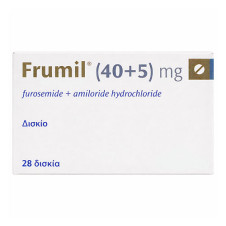
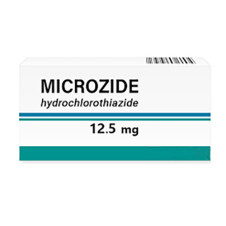
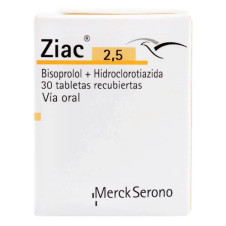
The main pharmacological agents used include diuretics, which promote fluid removal, and medications targeting specific causes such as heart failure or kidney disease. Diuretics like loop diuretics (e.g., furosemide) are often prescribed for significant edema, while mild cases may be managed with less potent drugs. In some instances, medications like ACE inhibitors or beta-blockers are used to treat underlying cardiovascular conditions. The selection of drugs must be tailored to each patient, considering age, comorbidities, and potential side effects.
| Type of Drug | Example of Active Ingredient | Therapeutic Purpose |
|---|---|---|
| Diuretics | Furosemide | Reduce fluid overload |
| ACE inhibitors | Enalapril | Manage heart failure, reduce edema |
Natural Remedies for Edema
Complementary approaches such as elevating the swollen limbs, wearing compression stockings, reducing salt intake, and staying well-hydrated can help alleviate symptoms. Herbal teas like dandelion or parsley may have mild diuretic effects, but their use should be discussed with a healthcare provider. These natural methods are supportive and should not replace prescribed treatments, especially in severe cases. Always consult a professional before trying new remedies to ensure safety and appropriateness.
Forms and Presentations: Tablets, Capsules, Liquids
Medications for edema are available in various forms, including tablets, capsules, syrups, topical creams, and injections. Tablets and capsules are the most common, offering ease of use and controlled dosing. Liquids may be preferred for children or those with swallowing difficulties. Topical formulations can provide localized relief, especially for swelling in limbs. The choice of form depends on the severity, patient preference, and specific clinical indications.
Over-the-Counter (OTC) Medications
For mild edema, some OTC options like diuretic herbal teas or supplements may offer temporary relief. However, these should be used cautiously and only after consulting a healthcare professional. It is important to remember that OTC drugs are not substitutes for prescription medications when underlying health issues are involved. Persistent or worsening symptoms require medical evaluation and tailored treatment plans.
Precautions and Side Effects
Even commonly prescribed medications can cause adverse reactions, especially if misused. Side effects may range from mild, such as dizziness or gastrointestinal discomfort, to severe, including allergic reactions or electrolyte imbalances. Following medical instructions, adhering to prescribed dosages, and monitoring for symptoms help minimize risks. Particular caution is advised for vulnerable groups like children, pregnant women, the elderly, or those with chronic illnesses, who may require special considerations.
Most Common Side Effects
Common mild effects include nausea, fatigue, or skin irritation, while serious reactions like allergic responses, liver problems, or heart rhythm disturbances are less frequent but require immediate attention. Awareness of these potential effects enables prompt action and reduces the risk of complications.
| Type of Effect | Frequency | Severity | Recommendations |
|---|---|---|---|
| Nausea, dizziness | Common | Mild | Monitor and report persistent symptoms |
| Allergic reactions | Rare | Severe | Seek immediate medical help |
Safe Use of Medications
- Always follow the prescribed dosage and schedule
- Avoid alcohol and certain foods unless advised otherwise
- Store medications in a cool, dry place, out of reach of children
- Schedule regular check-ups to monitor effects and adjust treatment if needed
Responsible medication use and ongoing medical supervision are key to achieving optimal results and preventing adverse outcomes.
Prevention and Daily Care
Implementing preventive measures and maintaining a healthy lifestyle are essential in managing and reducing edema risk. Regular medical check-ups help detect early signs, while lifestyle modifications can significantly improve outcomes. Tailoring strategies to individual health status enhances effectiveness and supports overall well-being.
Recommended Habits to Reduce Edema Risk
Adopt habits such as maintaining a balanced diet low in salt, engaging in regular physical activity, elevating limbs when resting, and avoiding prolonged immobility. Proper hydration and stress management also contribute to fluid balance. These simple steps can prevent fluid accumulation and support long-term health.
| Area of Prevention | Recommended Measures | Main Benefit |
|---|---|---|
| Diet | Limit salt intake, eat fruits and vegetables | Reduce fluid retention |
| Exercise | Regular walking or swimming | Improve circulation |
| Lifestyle | Elevate legs, avoid standing for long periods | Prevent limb swelling |
Additional Preventive Measures
Secondary prevention includes routine health screenings, vaccinations if applicable, and adherence to prescribed medications for underlying conditions. Supplementing with vitamins or other supplements may be recommended based on individual needs. Following medical advice ensures comprehensive management and reduces the likelihood of edema recurrence.
L'adozione di queste misure preventive non solo diminuisce il rischio di sviluppare Edema, ma favorisce anche il benessere generale e una qualità di vita migliore nel lungo termine.
Prognosis and Recovery
The outlook for patients with edema depends on the underlying cause, the stage at diagnosis, and how promptly treatment begins. With appropriate management, most cases resolve or improve significantly, especially when the root problem is addressed effectively. Maintaining a healthy lifestyle and following medical recommendations are crucial for a favorable prognosis. Early intervention reduces the risk of chronicity and complications, supporting a quicker return to normal activities.
Typical Recovery Time
The time needed to recover from edema varies widely. Mild cases may resolve within a few days to weeks with proper treatment, while more severe or chronic cases can require months of ongoing management. For example, edema caused by temporary factors like standing or diet may improve quickly, whereas edema related to heart or kidney disease may need continuous treatment and monitoring. In chronic cases, regular follow-up is essential to control symptoms and prevent relapse.
| Type of Case | Average Recovery Time | Comments |
|---|---|---|
| Mild edema | Few days to weeks | Often resolves with lifestyle changes |
| Severe or chronic edema | Weeks to months | Requires ongoing management and monitoring |
Factors Enhancing Prognosis
Key factors include early diagnosis, adherence to treatment, lifestyle modifications, and management of underlying health conditions. Patients who actively participate in their care and follow medical advice tend to experience better outcomes. Regular follow-up and prompt response to symptom changes also significantly improve the chances of complete remission.
- Timely medical intervention
- Consistent medication adherence
- Healthy lifestyle choices
- Effective management of underlying diseases
These behaviors greatly increase the likelihood of full recovery and reduce the risk of recurrence.
Lifestyle Changes for Better Outcomes
Patients should incorporate habits such as maintaining a balanced diet, engaging in regular physical activity, avoiding excessive salt, and elevating swollen limbs. Managing stress and ensuring adequate rest also support healing. These lifestyle adjustments are vital components of a comprehensive approach to controlling edema and preventing future episodes.
Potential Complications
If left untreated or poorly managed, edema can lead to serious complications such as skin infections, ulcers, or chronic venous insufficiency. In severe cases, persistent swelling may cause tissue damage or impair mobility. Additionally, edema may be a sign of life-threatening conditions like heart failure or liver cirrhosis, which require urgent intervention. Preventing these outcomes depends on timely diagnosis, effective treatment, and active patient participation in care.
| Complication | Frequency | Severity | Prevention |
|---|---|---|---|
| Skin infections or ulcers | Moderate | Serious | Proper skin care, hygiene, and timely treatment |
| Chronic venous insufficiency | Chronic | Long-term disability risk | Compression therapy, lifestyle modifications |
Con un trattamento adeguato e cure costanti, la maggior parte dei pazienti con Edema guarisce in modo soddisfacente ed evita complicazioni a lungo termine.
Where to Purchase Medications for Edema
Medications for edema are widely available in pharmacies and online stores. It is important to verify the legitimacy of the pharmacy and ensure the quality of the medicines purchased, avoiding counterfeit products. Always check that the pharmacy is licensed and that the products are properly packaged and labeled. Purchasing from reputable sources guarantees safety and efficacy, providing peace of mind during treatment.
Safe Shopping in Our Online Pharmacy
Our authorized online pharmacy offers a secure and convenient way to purchase medications for edema. Benefits include professional advice, guaranteed product authenticity, and easy return policies. To ensure a safe purchase, verify the pharmacy’s license, examine the packaging for tampering, check the expiration date, and consult the pharmacist for any questions. These precautions help protect your health and ensure you receive genuine, effective medicines.
Can You Buy Edema Medications Online Without a Prescription?
All medications for edema can be purchased online without a prescription through our pharmacy, in accordance with Italian regulations. However, it is strongly recommended to consult a healthcare professional before starting any treatment, especially for underlying health conditions. Proper diagnosis is essential to select the most appropriate therapy and avoid potential risks. Always ensure that the online pharmacy is licensed and adheres to safety standards to guarantee the authenticity and quality of the medicines.
- Verify the pharmacy’s license
- Check product authenticity and packaging
- Consult a healthcare professional before use
- Ensure clear communication and support
Shipping Options and Quality Assurance
We offer multiple shipping methods, including standard, express, and international delivery, to meet your needs. Our quality control measures include tracking lot numbers, monitoring temperature during transit, secure packaging, and detailed shipment tracking. These procedures ensure that your medications arrive safely and in optimal condition, maintaining their efficacy. During delivery, verify the package integrity and expiration dates to confirm product quality.
Pricing, Availability, and Discounts in Italy
The cost of edema medications in Italy varies depending on factors such as brand name or generic, dosage, form (tablets, capsules, liquids), and whether a prescription is required. The availability of specific formulations may fluctuate based on regional supply, seasonal demand, or stock levels. Many pharmacies offer discounts, promotional deals, coupons, and loyalty programs that can make treatments more affordable. Patients are encouraged to compare prices across different outlets, inquire about generic options, and ask pharmacists about current promotions or discounts. If a particular product or dose is not readily available, alternative options or ordering procedures can be discussed in advance to ensure continuous treatment.
| Prodotti in farmacia | Prezzo |
|---|---|
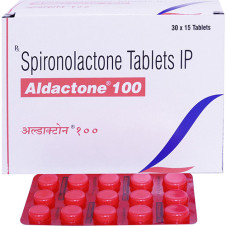
| Aldactone 25/50/100 mg compresse | 76.96 € |
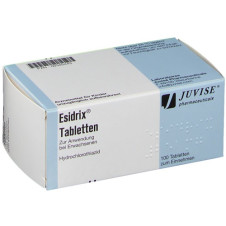
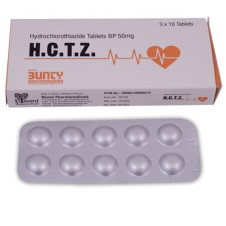
| Idroclorotiazide 12.5/25 mg compresse | 72.58 € |
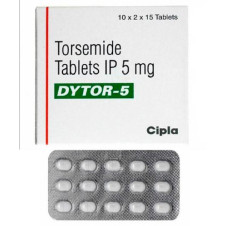
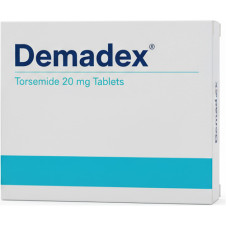
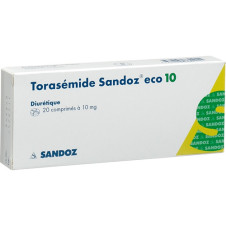
| Torsemide 10/20 mg compresse | 83.08 € |
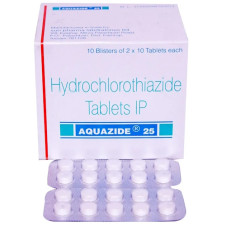
| Aquazide 12.5/25 mg compresse | 74.33 € |
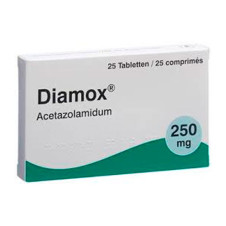
| Diamox 250 mg compresse | 89.20 € |
FAQ: Domande e risposte su Edemi nel 2026
-
È obbligatorio presentare la ricetta per acquistare Edemi?
-
È legale acquistare Edemi in Italia?
-
È possibile acquistare Edemi nella vostra farmacia online?
-
Quanto costa Edemi in Italia?
-
Quali metodi di pagamento sono disponibili?
-
Come funziona il servizio di spedizione?
-
Top dei prodotti più popolari in farmacia