


Medications for Skin Conditions
Skin conditions, often chronic or recurrent, can significantly impact daily life and well-being. Proper treatment is essential to control symptoms, prevent complications, and improve quality of life. Medications play a key role in managing these conditions, whether through topical creams, oral drugs, or other formulations. Early diagnosis and appropriate therapy can lead to better outcomes, reducing discomfort and preventing disease progression. Understanding the available treatments helps patients make informed decisions in collaboration with healthcare providers.
What is a Skin Condition?
A skin condition refers to any disorder affecting the skin, which is the body's largest organ. These conditions can be acute or chronic, involving symptoms like redness, itching, scaling, or lesions. They may affect specific areas or the entire body and can result from various causes such as infections, allergies, or genetic factors. Prompt diagnosis and treatment are crucial to avoid worsening symptoms or complications that could impair skin function or appearance. Managing skin conditions effectively often requires a combination of medical therapy and lifestyle adjustments.
Definition and Main Characteristics of Skin Conditions
Skin conditions encompass a wide range of disorders characterized by abnormal skin appearance or function. They can be caused by infections, immune responses, environmental factors, or genetic predispositions. Typically, these conditions progress through phases, from initial symptoms like redness or dryness to more severe manifestations such as ulcers or thickened skin. Severity varies from mild irritations to debilitating diseases, with some affecting specific groups like children or the elderly more frequently. Recognizing these features helps in timely intervention, reducing the risk of long-term damage.
- Type: Inflammatory, infectious, autoimmune, or degenerative
- Course: Acute or chronic
- Severity: Mild to severe
- Risk groups: Children, elderly, immunocompromised
Diagnosis and When to Consult a Doctor
Diagnosis of skin conditions involves a thorough clinical examination by a healthcare professional, often complemented by laboratory tests or skin biopsies. Visual inspection remains fundamental, but additional tests can confirm infections or autoimmune processes. Self-diagnosis and self-medication are discouraged, as improper treatment may worsen the condition or delay recovery. Consulting a specialist ensures an accurate diagnosis and personalized treatment plan, which is especially important for persistent or severe symptoms. Early medical intervention improves treatment effectiveness and reduces the risk of complications.
Diagnostic Tests and Methods for Skin Conditions
Common diagnostic approaches include physical examination, dermoscopy, skin scrapings, blood tests, and biopsies. These methods help identify the underlying cause, differentiate between similar conditions, and assess severity. For example, skin scrapings can detect fungal infections, while blood tests may reveal autoimmune markers. Imaging techniques like ultrasound or laser Doppler may be used in specific cases. Accurate diagnosis guides targeted therapy, improving outcomes and minimizing unnecessary treatments.
| Type of Test | Purpose | Diagnostic Value |
|---|---|---|
| Physical examination | Initial assessment | High for visual diagnosis |
| Skin scraping | Detect fungi or parasites | Confirms infectious causes |
| Blood tests | Identify autoimmune or systemic involvement | Supports diagnosis in complex cases |
| Biopsy | Histological examination | Definitive diagnosis for many skin diseases |
Signs That Require Urgent Medical Attention
Seek immediate medical care if you experience symptoms such as rapid skin spreading, severe pain, swelling, blistering, bleeding, signs of infection (fever, pus), or sudden worsening of skin appearance. These may indicate serious infections, allergic reactions, or other urgent conditions requiring prompt intervention. Delaying treatment in such cases can lead to complications like tissue damage or systemic illness. Recognizing these warning signs early ensures timely management and reduces risks.
Causes and Risk Factors of Skin Conditions
Various factors contribute to the development of skin conditions, including infections, genetic predisposition, environmental exposures, lifestyle habits, and age. External factors like UV radiation, pollution, or contact with irritants can trigger or worsen skin issues. Internal factors such as immune system dysfunction or inherited traits also play a role. Often, multiple factors interact, increasing susceptibility. Understanding these causes helps in adopting preventive measures and tailoring treatments effectively.
| Risk | Description | Probability |
|---|---|---|
| Genetics | Inherited predisposition to certain skin diseases | High in some conditions like psoriasis |
| Environmental exposure | Sun, pollution, chemicals | Moderate to high depending on lifestyle |
| Infections | Bacterial, viral, fungal agents | Variable; depends on exposure |
| Stress and lifestyle | Poor diet, smoking, stress | Contributing factors in many cases |
Factors Contributing to Skin Conditions
Internal factors like genetic predisposition and immune system abnormalities can make skin more vulnerable, while external factors such as UV exposure, pollutants, and contact with irritants can trigger or exacerbate skin issues. Lifestyle choices, including diet, hygiene, and stress management, also influence disease development. Often, multiple factors combine, creating a multifactorial risk profile that necessitates comprehensive prevention strategies.
- Genetic predisposition: Family history of skin diseases
- Environmental triggers: Sunlight, pollution
- Infections: Bacterial, viral, fungal
- Lifestyle: Smoking, poor hygiene, stress
How to Recognize Early Signs of Skin Conditions
Early symptoms often include redness, dryness, itching, or small bumps. These signs may be mistaken for simple irritation but can indicate the onset of a more significant skin disorder. Recognizing these initial symptoms allows for prompt intervention, which can prevent progression and reduce severity. Changes in skin texture, color, or the appearance of new lesions should prompt consultation with a healthcare professional. Early detection is key to effective management and better prognosis.
How to Detect the First Signs of Skin Conditions
Common early indicators include persistent redness, dryness, itching, or small patches of scaling. These symptoms may appear gradually and can be localized or widespread. Differentiating these from minor irritations or allergic reactions is important; if symptoms persist beyond a few days or worsen, medical advice should be sought. Early diagnosis facilitates targeted treatment, minimizing discomfort and preventing complications.
| Type of Symptom | Frequency | Estimated Severity | Notes |
|---|---|---|---|
| Redness | Common in early stages | Mild to moderate | Persistent redness warrants evaluation |
| Itching | Frequent initial symptom | Variable | Severe itching may indicate allergy or infection |
| Scaling or dryness | Often early sign | Mild to moderate | Persistent dryness suggests need for treatment |
Types of Medications and Treatments
Managing skin conditions involves a variety of medications, tailored to the severity and type of disorder. Mild cases may respond well to over-the-counter products, while more severe or persistent conditions require prescription drugs. Treatment options include topical agents, oral medications, or a combination of both. Always consult a healthcare professional before starting any therapy, as inappropriate use can worsen the condition or cause side effects. Proper treatment not only alleviates symptoms but also addresses underlying causes, promoting healing and preventing recurrences.
Medications for Skin Conditions
Major drug groups used include corticosteroids, antifungals, antibiotics, immunomodulators, and moisturizers. Corticosteroids reduce inflammation and are often prescribed for eczema or dermatitis, with examples like hydrocortisone or betamethasone. Antifungal agents such as clotrimazole are used for fungal infections, while antibiotics like doxycycline may be necessary for bacterial skin infections. Immunomodulators, including calcineurin inhibitors, are employed in autoimmune skin diseases. The choice depends on the diagnosis, severity, and patient-specific factors.
| Type of Drug | Example of Active Ingredient | Therapeutic Purpose |
|---|---|---|
| Corticosteroids | Hydrocortisone, Betamethasone | Reduce inflammation and itching |
| Antifungals | Clotrimazole, Terbinafine | Eliminate fungal infections |
| Antibiotics | Doxycycline, Mupirocin | Treat bacterial skin infections |
| Immunomodulators | Tacrolimus, Pimecrolimus | Manage autoimmune skin diseases |
Natural Remedies for Skin Conditions
Complementary approaches such as aloe vera, calendula, coconut oil, or oatmeal baths may help soothe irritated skin and reduce inflammation. These natural remedies can provide relief from mild symptoms but should not replace medical treatments. Always use them under medical supervision, especially if symptoms persist or worsen. Incorporating gentle skincare routines and avoiding irritants can also support healing and prevent flare-ups.
Common Forms and Presentations: Tablets, Capsules, Pills
Medications for skin conditions are available in various forms, including tablets, capsules, topical creams, ointments, and injections. Oral forms like tablets and capsules are often used for systemic treatment or when topical therapy is insufficient. Topical formulations such as creams or ointments are applied directly to affected areas for localized relief. Injections may be reserved for severe cases or specific conditions requiring rapid action. Each form offers advantages in terms of absorption, ease of use, and targeted delivery.
| Formulation | Characteristics | Most Common Use |
|---|---|---|
| Tablets | Oral, systemic absorption | Long-term management |
| Capsules | Delayed or sustained release | Extended treatment courses |
| Topical creams/ointments | Localized application | Inflammation, itching relief |
| Injections | Rapid systemic or local effect | Severe or resistant cases |
Over-the-Counter (OTC) Medications
For mild symptoms, OTC products such as hydrocortisone creams, antihistamines, or moisturizers can provide relief. These are suitable for temporary or minor issues like mild dermatitis or dryness. However, if symptoms persist beyond a week or worsen, consulting a healthcare professional is essential. OTC options should be used according to instructions, and caution is advised to avoid overuse or incorrect application.
| When to Use | Examples | Notes |
|---|---|---|
| Mild irritation or itching | Hydrocortisone 1% | Follow dosage instructions carefully |
| Dry or flaky skin | Moisturizing creams | Use regularly for best results |
| Allergic reactions | Antihistamines like loratadine | Monitor for side effects |
Precautions and Side Effects
Even medications considered safe can cause adverse reactions if misused. Side effects may range from mild irritation or dryness to more serious issues like allergic reactions, liver problems, or cardiovascular effects. Following the prescribed dosages and instructions minimizes risks. Particular caution is needed for vulnerable groups such as children, pregnant women, the elderly, or those with chronic illnesses. Regular monitoring and communication with healthcare providers are essential to ensure safe and effective therapy.
Most Common Side Effects
Common mild effects include skin irritation, dryness, or burning sensations. More serious reactions, though less frequent, can involve allergic dermatitis, liver toxicity, or cardiovascular issues, especially with systemic medications. Recognizing these early allows prompt intervention to prevent escalation. Patients should report any unusual or severe symptoms to their healthcare provider immediately.
| Type of Effect | Frequency | Severity | Recommendation |
|---|---|---|---|
| Skin irritation | Common | Mild | Adjust or discontinue medication if persistent |
| Allergic reactions | Rare | Severe | Seek urgent medical help |
| Liver toxicity | Very rare | Serious | Regular liver function tests recommended |
Safe Use Tips for Medications
- Always follow the prescribed dosage and schedule.
- Avoid combining medications with alcohol unless approved by a doctor.
- Store medicines in a cool, dry place, away from children.
- Do not share medications with others.
- Schedule regular follow-up appointments to monitor effects.
Using medications responsibly and maintaining regular medical check-ups are crucial for optimal results and minimizing risks.
Daily Prevention and Care
Implementing daily skin care routines and lifestyle habits can significantly reduce the risk of flare-ups and support healing. Regular medical check-ups help detect early signs of problems, while a healthy diet, proper hygiene, adequate rest, and stress management contribute to overall skin health. Tailoring these measures to individual needs enhances their effectiveness, especially in vulnerable populations. Prevention strategies are essential components of long-term disease management.
Recommended Habits to Reduce Skin Disease Risk
Maintain good hygiene by gently cleansing skin daily, avoid excessive sun exposure by using sunscreen, and wear protective clothing. Adopt a balanced diet rich in vitamins and antioxidants, stay hydrated, and manage stress through relaxation techniques. Avoid known irritants or allergens, and ensure adequate sleep to support skin repair. These habits collectively help strengthen skin defenses and prevent disease recurrence.
| Prevention Area | Recommended Measures | Main Benefit |
|---|---|---|
| Hygiene | Gentle cleansing, avoid harsh soaps | Reduces irritation and infection risk |
| Sun protection | Use sunscreen, protective clothing | Prevents UV damage |
| Diet and hydration | Eat balanced meals, drink water | Supports skin repair and immunity |
| Stress management | Relaxation, exercise, hobbies | Reduces flare-ups triggered by stress |
Additional Preventive Measures
Secondary prevention includes regular dermatological check-ups, vaccination when applicable (e.g., for viral infections), and possibly supplementation with vitamins or minerals to support skin health. Following medical advice on skin care products and avoiding known triggers can further reduce recurrence risk. These proactive steps contribute to maintaining skin integrity and overall health, especially in chronic conditions.
- Routine medical evaluations
- Vaccinations for preventable infections
- Supplementation as recommended
- Adherence to personalized skin care plans
Adopting these preventive measures not only lowers the chance of disease development but also promotes overall well-being and a better quality of life over time.
Prognosis and Recovery
The outlook for individuals with skin conditions varies depending on the specific disease, its stage at diagnosis, and how promptly treatment begins. Many skin disorders respond well to therapy, leading to symptom resolution and remission. Maintaining a healthy lifestyle and following medical advice are crucial for a favorable prognosis. Early intervention often results in faster recovery and fewer long-term effects. Continuous management may be necessary for chronic conditions to control symptoms and prevent relapses.
Typical Recovery Time
The time needed for recovery depends on the severity and type of skin condition. Mild cases may improve within a few days to weeks with appropriate treatment, while more severe or chronic cases can take several weeks or months. For example, superficial dermatitis might resolve in days, whereas autoimmune diseases like psoriasis may require ongoing management and monitoring. Persistent or recurrent conditions often need long-term strategies to achieve optimal control.
| Type of Case | Average Recovery Time | Comments |
|---|---|---|
| Mild cases | Few days to weeks | Complete resolution possible |
| Moderate to severe cases | Weeks to months | May require ongoing therapy |
| Chronic conditions | Variable; ongoing management | Focus on control and quality of life |
Factors Enhancing Prognosis
- Early diagnosis and prompt treatment initiation
- Adherence to prescribed therapy
- Healthy lifestyle and skin care habits
- Regular follow-up with healthcare providers
- Effective management of triggers and comorbidities
These factors significantly increase the chances of complete healing or remission and reduce the likelihood of recurrences.
Lifestyle Changes for Better Outcomes
Patients should adopt healthy habits such as maintaining proper hygiene, avoiding known irritants, managing stress, and following dietary recommendations. Quitting smoking and limiting alcohol intake can also support skin health. Consistent skin care routines and avoiding excessive sun exposure are vital. These lifestyle modifications complement medical treatments, promoting faster recovery and preventing future episodes.
Potential Complications
If skin conditions are left untreated or poorly managed, they can lead to complications such as secondary bacterial infections, scarring, pigmentation changes, or systemic involvement in severe cases. Chronic inflammation may cause skin thickening or deformities, impacting appearance and function. Rarely, untreated infections can spread, leading to more serious health issues. Preventing these outcomes depends on timely medical care, adherence to treatment, and active patient participation.
| Complication | Frequency | Severity | Prevention |
|---|---|---|---|
| Secondary bacterial infection | Common in open or untreated lesions | Mild to severe | Proper wound care and hygiene |
| Scarring and pigmentation | Possible if untreated or severe | Variable | Early treatment and skin protection |
| Systemic spread of infection | Rare | Serious | Prompt medical intervention |
With appropriate treatment and ongoing care, most patients recover well and avoid long-term complications.
Where to Purchase Medications for Skin Conditions
Medications for skin conditions are available both in physical pharmacies and online stores. It is important to verify the legitimacy of the pharmacy, ensuring it is licensed and that products are genuine. Avoiding counterfeit drugs is crucial for safety and efficacy. Our online pharmacy offers a wide range of approved medications, with strict quality controls to guarantee authenticity and safety. Always check the credentials of the seller before making a purchase.
Safe Shopping in Our Online Pharmacy
Shopping from our authorized online pharmacy provides benefits such as professional consultation, guaranteed product quality, and secure transactions. We ensure proper packaging, traceability of batches, and compliance with safety standards. To ensure a safe purchase, verify the pharmacy’s license, examine the packaging for tampering, check expiration dates, and consult our pharmacists for any doubts. These precautions help protect your health and ensure you receive authentic medications.
Can All Skin Medications Be Purchased Online Without a Prescription?
In Italy, all medications for skin conditions can be purchased online without a prescription through our pharmacy, provided they are over-the-counter (OTC) products. However, for certain potent or prescription-only drugs, a medical consultation remains essential before purchase. It is important to follow guidelines for safe use, avoid self-medicating for severe or persistent symptoms, and always seek professional advice when in doubt. Buying online offers convenience, but responsible use and proper guidance are fundamental to safety and effectiveness.
- Verify the legitimacy of the pharmacy
- Check product authenticity and expiration date
- Follow dosing and usage instructions carefully
- Consult a healthcare professional if symptoms persist
Shipping Options and Quality Assurance
Our pharmacy offers various shipping methods, including standard, expedited, and international delivery. Each shipment is carefully monitored with batch tracking, temperature control, and secure packaging to maintain product integrity. We ensure traceability of all orders, providing peace of mind and safety. During delivery, tracking numbers allow customers to monitor their package’s progress, and strict quality controls prevent tampering or damage. These measures guarantee that medications arrive safely and ready for use.
- Standard, express, and international shipping options
- Batch tracking and temperature control
- Secure, discreet packaging
- Real-time shipment tracking
Price, Availability, and Discounts in Italy
The cost of medications for skin conditions in Italy varies based on factors such as brand or generic, dosage, formulation (tablets, creams, injections), and whether a prescription is required. Prices can differ between pharmacies and regions, with online stores often offering competitive rates. Availability may fluctuate depending on demand, seasonality, or stock levels, with some formulations only obtainable upon request. Many pharmacies provide discounts, coupons, or loyalty programs that make treatments more affordable. Patients are encouraged to compare prices, inquire about generic options, and explore promotional offers to optimize their savings. If a specific product or dosage is unavailable, alternative options or formulations can often be suggested by the pharmacist.
| Prodotti in farmacia | Prezzo |
|---|---|
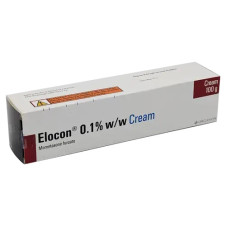
| Elocon Crema 1 mg 5 g | 76.96 € |
FAQ: Domande e risposte su Dermatosi nel 2026
-
È obbligatorio presentare la ricetta per acquistare Dermatosi?
-
È legale acquistare Dermatosi in Italia?
-
È possibile acquistare Dermatosi nella vostra farmacia online?
-
Quanto costa Dermatosi in Italia?
-
Quali metodi di pagamento sono disponibili?
-
Come funziona il servizio di spedizione?
-
Top dei prodotti più popolari in farmacia