


Medications for Depression
Depression is a common mental health condition that affects millions of people worldwide. It can significantly impact daily life, causing persistent feelings of sadness, loss of interest, and fatigue. Proper treatment, including medication, plays a crucial role in managing symptoms and improving quality of life. Early diagnosis combined with appropriate pharmacological therapy can help control symptoms effectively, enabling individuals to regain their emotional balance and functionality.
What is Depression?
Depression is a mental health disorder characterized by a persistent low mood and a loss of interest or pleasure in activities. It primarily affects the brain's neurotransmitter systems, such as serotonin and norepinephrine, influencing mood regulation. Depression can be acute or chronic, with episodes lasting weeks or months, and it often recurs if not properly managed. Recognizing and treating depression promptly is vital because untreated depression can lead to severe emotional distress and impair daily functioning.
Definition and Main Features of Depression
Depression is a mood disorder involving a prolonged period of sadness, hopelessness, and a lack of energy. It is caused by a combination of genetic, environmental, and psychological factors, and it tends to progress if untreated. Key features include persistent low mood, anhedonia (loss of interest), changes in appetite or sleep, and difficulty concentrating. It can vary in severity from mild to severe, with some individuals experiencing suicidal thoughts. Risk groups include those with a family history of depression, stressful life events, or chronic illnesses.
Diagnosis and When to Consult a Doctor
Diagnosing depression involves a comprehensive clinical assessment by a healthcare professional, who evaluates symptoms, medical history, and possible underlying causes. Standardized questionnaires and psychological interviews are commonly used tools. It is essential not to self-medicate, as improper treatment can worsen the condition. Consulting a specialist ensures an accurate diagnosis and appropriate treatment plan tailored to the individual's needs. Early intervention improves the chances of successful management and reduces the risk of complications.
Diagnostic Tests and Methods for Depression
Diagnosis primarily relies on clinical evaluation, including patient interviews and standardized assessment scales such as the PHQ-9 or HAM-D. Blood tests or other laboratory studies may be performed to rule out physical causes like thyroid dysfunction or vitamin deficiencies. In some cases, psychological assessments help determine the severity and specific features of depression. These methods collectively aid in confirming the diagnosis and guiding treatment decisions.
Warning Signs Requiring Immediate Medical Attention
Urgent medical care is necessary if symptoms include suicidal thoughts, self-harm behaviors, sudden worsening of mood, or psychotic features such as hallucinations or delusions. Other warning signs are severe agitation, inability to perform daily activities, or physical symptoms like chest pain or difficulty breathing. Any delay in seeking help can lead to serious health consequences, including increased risk of suicide or hospitalization.
Causes and Risk Factors of Depression
Depression arises from a complex interplay of genetic, biological, environmental, and psychological factors. Infections, hormonal imbalances, and chronic illnesses can also contribute. Environmental stressors such as trauma, loss, or social isolation are significant external triggers. Age, lifestyle habits, and substance abuse further influence the risk of developing depression.
| Risk Factor | Description | Probability |
|---|---|---|
| Genetics | Family history increases susceptibility due to inherited traits. | Moderate to high |
| Stressful life events | Trauma, loss, or major life changes can trigger episodes. | High |
| Chronic illness | Conditions like diabetes or cardiovascular disease are linked to depression. | Moderate |
| Substance abuse | Alcohol and drug misuse can precipitate or worsen depression. | Variable |
Factors Contributing to Depression
Internal factors such as genetic predisposition and neurochemical imbalances play a role in depression development. External factors include stressful life events, social isolation, and unhealthy lifestyle habits. Often, multiple causes interact, making depression a multifactorial disorder. Recognizing these contributors helps in adopting preventive strategies and personalized treatments.
| Factor Type | Example | Mechanism of Influence |
|---|---|---|
| Genetic | Family history of depression | Inherited traits affecting neurotransmitter regulation |
| Environmental | Trauma or loss | Stress response activation, emotional impact |
| Lifestyle | Poor diet, lack of exercise | Neurochemical imbalance, reduced resilience |
Understanding the causes of depression is essential for implementing preventive measures and reducing the risk of onset or recurrence.
How Depression Manifests
Depression symptoms can vary but generally include persistent sadness, loss of interest in activities, fatigue, and changes in sleep or appetite. These symptoms may fluctuate over time and become more severe if untreated. Early recognition of these signs allows for prompt intervention, which can significantly improve outcomes. Commonly, individuals may also experience feelings of worthlessness, difficulty concentrating, or physical complaints such as headaches.
How to Recognize Early Signs of Depression
In initial stages, common signs include persistent low mood, withdrawal from social activities, and decreased energy. These symptoms often resemble normal emotional responses but persist longer and interfere with daily life. Recognizing these early indicators is crucial for seeking timely help and preventing progression to more severe depression.
| Symptom Type | Frequency | Estimated Severity | Notes |
|---|---|---|---|
| Persistent sadness | Common | Moderate to severe | Lasts for weeks or more |
| Loss of interest | Frequent | Moderate | Reduced engagement in hobbies |
| Sleep disturbances | Common | Variable | Insomnia or hypersomnia |
Types of Medications and Treatments
The treatment of depression often involves a combination of psychotherapy and pharmacotherapy. The choice of medication depends on the severity of symptoms, patient age, comorbidities, and previous treatment responses. While some mild cases may benefit from lifestyle modifications or over-the-counter remedies, moderate to severe depression typically requires prescription medications under medical supervision.
Medications for Depression
Antidepressants are the mainstay of pharmacological treatment, grouped into several classes:
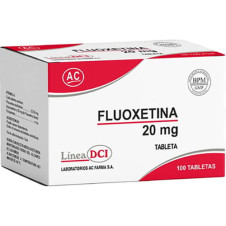
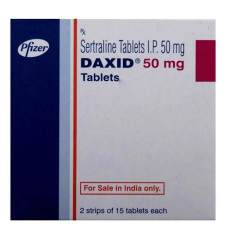
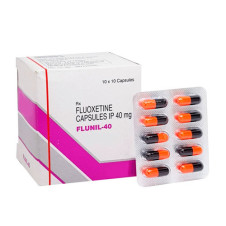
- Selective Serotonin Reuptake Inhibitors (SSRIs): e.g., fluoxetine, sertraline. They increase serotonin levels and are often first-line due to their tolerability.
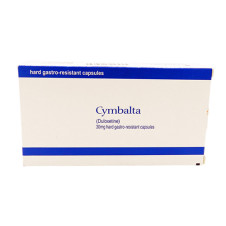
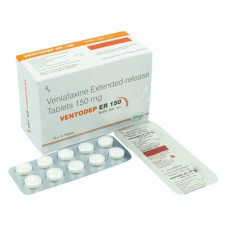
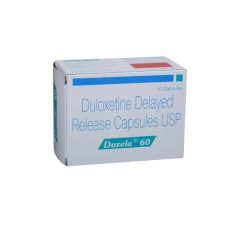
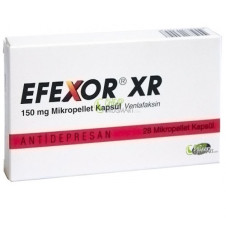
- Serotonin-Norepinephrine Reuptake Inhibitors (SNRIs): e.g., venlafaxine, duloxetine. They target both serotonin and norepinephrine pathways.
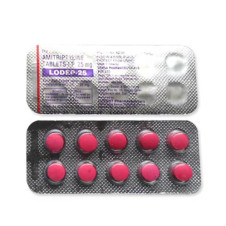
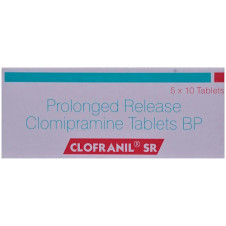
- Tricyclic Antidepressants (TCAs): e.g., amitriptyline. Effective but with more side effects, used less frequently today.
- Monoamine Oxidase Inhibitors (MAOIs): e.g., phenelzine. Reserved for resistant cases due to dietary restrictions and side effects.
| Type of Drug | Example Active Ingredient | Therapeutic Purpose |
|---|---|---|
| SSRI | Fluoxetine | Alleviate depressive symptoms with fewer side effects |
| SNRI | Duloxetine | Improve mood and reduce pain symptoms |
| TCA | Amitriptyline | Severe depression, especially when other treatments fail |
| MAOI | Phenelzine | Resistant depression cases |
Natural Remedies for Depression
Complementary approaches may include herbal supplements like St. John’s Wort, omega-3 fatty acids, or vitamin D, which have shown some benefit in mild cases. Regular physical activity, mindfulness practices, and adequate sleep are also helpful in alleviating symptoms. However, these should be used as adjuncts and always under medical supervision to avoid interactions or delays in effective treatment.
Forms and Presentations: Tablets, Capsules, Liquids
Medications for depression are commonly available in various forms, including tablets, capsules, and sometimes liquids. Tablets and capsules are preferred for their convenience and precise dosing, with some formulations offering rapid absorption. Liquid forms may be suitable for individuals with swallowing difficulties or children. Each form offers specific advantages, such as ease of administration or faster onset of action.
Over-the-Counter (OTC) Medications
In general, medications for depression require a prescription; however, some mild mood-enhancing supplements or herbal remedies are available OTC. These may help alleviate minor symptoms but are not substitutes for prescribed antidepressants. It is essential to consult a healthcare professional before using OTC products for depression, especially if symptoms persist or worsen.
Precautions and Side Effects
Even commonly prescribed medications can cause adverse reactions if misused or if the patient has specific vulnerabilities. Following medical instructions and monitoring symptoms are vital to minimize risks. Particular caution is necessary for children, pregnant women, the elderly, or those with chronic illnesses, as they may experience different side effects or require dose adjustments.
Most Common Side Effects
Common mild side effects include nausea, dry mouth, sleep disturbances, or dizziness. More serious adverse effects, though less frequent, can involve allergic reactions, liver problems, or cardiac issues. Recognizing these early helps in seeking prompt medical advice and adjusting treatment if necessary.
| Type of Effect | Frequency | Severity | Recommendations |
|---|---|---|---|
| Nausea, dizziness | Common | Mild | Monitor and report persistent symptoms |
| Allergic reactions | Rare | Severe | Seek immediate medical attention |
| Liver function issues | Uncommon | Serious | Regular blood tests recommended |
Safe Use of Medications
To ensure safe medication use, adhere strictly to prescribed dosages, avoid alcohol and certain foods that may interact with specific drugs, and store medicines properly. Regular follow-up appointments allow monitoring of effectiveness and side effects. Always inform your healthcare provider about other medications or supplements being taken to prevent interactions.
- Follow dosing instructions carefully
- Avoid alcohol and incompatible foods
- Store medicines in a cool, dry place
- Attend scheduled check-ups
- Report any adverse effects promptly
Prevention and Daily Care
Preventive measures and healthy daily habits are essential in managing depression risk and supporting recovery. Regular medical check-ups, a balanced diet, physical activity, and stress management techniques contribute to overall mental well-being. Early recognition of symptoms and prompt intervention can prevent worsening of the condition. Tailoring these strategies to individual needs enhances their effectiveness.
Recommended Habits to Reduce Depression Risk
Maintaining a nutritious diet, engaging in regular exercise, ensuring adequate sleep, practicing relaxation techniques, and fostering social connections help lower the likelihood of depression. Avoiding substance abuse and managing stress through mindfulness or therapy are also beneficial. These lifestyle modifications support mental resilience and overall health.
| Area of Prevention | Recommended Measures | Main Benefit |
|---|---|---|
| Diet | Balanced nutrition rich in fruits, vegetables, omega-3s | Supports brain health |
| Exercise | At least 150 minutes of moderate activity weekly | Enhances mood and reduces stress |
| Sleep | Consistent sleep schedule, 7-9 hours/night | Improves emotional stability |
| Stress management | Mindfulness, relaxation, therapy | Reduces anxiety and emotional burden |
Additional Preventive Measures
Secondary prevention includes regular medical evaluations, vaccinations when appropriate, and nutritional supplementation like vitamins D and B complex. Following medical advice and adhering to prescribed treatments can help prevent relapse. Engaging in supportive therapies and maintaining a healthy lifestyle are key components of ongoing prevention efforts.
Implementing these measures not only reduces depression risk but also promotes overall well-being and a better quality of life over time.
Prognosis and Recovery
The outlook for individuals with depression depends on the type, severity, and timeliness of treatment, as well as overall health. With appropriate therapy, most patients experience significant improvement or remission. Adherence to treatment plans and lifestyle adjustments accelerate recovery. Continuous support and follow-up are vital for sustained remission and preventing relapse.
Typical Recovery Time
The duration of recovery varies; mild depression may resolve within days to weeks, while more severe cases can take several months. Chronic depression often requires ongoing management and monitoring. Early intervention generally leads to faster and more complete recovery, emphasizing the importance of prompt diagnosis and treatment.
| Case Type | Average Recovery Time | Comments |
|---|---|---|
| Mild depression | Few weeks | Often resolves with minimal intervention |
| Moderate to severe depression | Several months | May require combined therapies |
| Chronic depression | Ongoing, variable | Requires continuous management |
Factors Enhancing Prognosis
Key factors include early diagnosis, adherence to treatment, strong social support, and healthy lifestyle choices. Active participation in therapy and regular follow-up improve the chances of full remission. Managing stress and avoiding triggers also contribute significantly to better outcomes.
- Timely medical intervention
- Consistent medication adherence
- Supportive social environment
- Healthy lifestyle habits
Lifestyle Changes for Better Outcomes
Adopting a balanced diet, engaging in regular physical activity, maintaining good sleep hygiene, and practicing stress reduction techniques are crucial. Avoiding alcohol and recreational drugs, fostering social connections, and seeking psychological support when needed can prevent relapses and promote recovery.
Potential Complications
If depression remains untreated or poorly managed, it can lead to serious consequences such as suicidal ideation, self-harm, social withdrawal, and deterioration of physical health. Chronic depression may increase the risk of developing other mental health disorders like anxiety or substance abuse. Preventing these complications relies on active treatment, patient engagement, and ongoing medical supervision.
| Complication | Frequency | Severity | Prevention |
|---|---|---|---|
| Suicidal thoughts | Common in severe cases | Serious | Timely psychiatric care |
| Self-harm | Less common | Serious | Monitoring and support |
| Physical health decline | Possible | Moderate to severe | Integrated medical care |
With proper treatment and active management, most patients with depression recover well and avoid long-term complications.
Where to Buy Medications for Depression
Medications for depression are available both in pharmacies and online stores. It is essential to verify the license of the pharmacy and ensure the quality and authenticity of the medicines to avoid counterfeit products. Always purchase from reputable sources to guarantee safety and efficacy. Our online pharmacy offers all antidepressant medications with verified quality and compliance with Italian regulations.
Safe Shopping in Our Online Pharmacy
Shopping at our authorized online pharmacy provides numerous advantages, including professional consultation, guaranteed product authenticity, and secure payment options. We ensure strict quality controls, proper packaging, and discreet shipping. Before purchasing, verify the pharmacy’s license, check the product packaging for tampering, and confirm the expiration date. Consulting our pharmacists can help you choose the right medication and understand proper usage.
Can You Buy Depression Medications Online Without a Prescription?
In Italy, all medications for depression require a prescription; however, our online pharmacy offers a selection of products that can be purchased without a prescription, such as certain herbal supplements or over-the-counter remedies. It is important to emphasize that even OTC products should be used responsibly and ideally under medical advice, especially if symptoms persist or worsen. Always ensure that you are buying from licensed and reputable sources to guarantee safety and effectiveness. Consulting a healthcare professional before starting any new treatment is strongly recommended to avoid interactions and ensure proper management.
Shipping Options and Quality Assurance
Our pharmacy provides multiple shipping options, including standard, express, and international delivery, to meet your needs. We implement rigorous quality control measures, such as batch tracking, temperature regulation during transit, and secure, discreet packaging. Each shipment is monitored to ensure timely delivery and product integrity. Customers can track their orders and rely on our commitment to safety and quality throughout the shipping process.
Price, Availability, and Discounts in Italian Pharmacies
The cost of depression medications in Italy varies depending on factors such as the drug’s brand or generic status, dosage, form (tablets, capsules, liquids), and whether a prescription is needed. Prices may also differ between traditional pharmacies and online stores, with seasonal promotions, discounts, and loyalty programs offering additional savings. Availability can fluctuate based on demand, regional distribution, and stock levels; some formulations or strengths might require special ordering. Patients are encouraged to compare prices, inquire about generic options, and ask pharmacists about ongoing promotions or discounts. If a specific form or dose is unavailable, alternative options or compounding solutions can often be suggested to ensure continuity of care.
| Prodotti in farmacia | Prezzo |
|---|---|
| Cymbalta 20/30/40/60 mg compresse | 76.08 € |
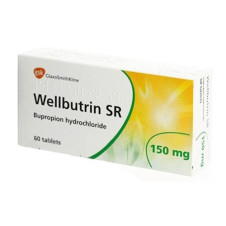
| Wellbutrin SR 150 mg compresse | 96.20 € |
| Amitriptilina 50 mg compresse | 111.06 € |
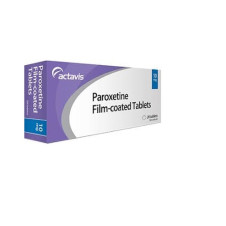
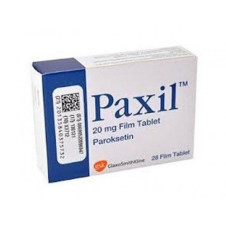
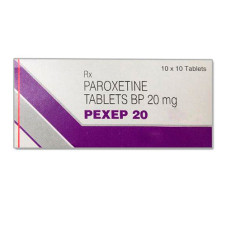
| Paroxetina 20 mg compresse | 90.07 € |
| Fluoxetina 10/20 mg capsule | 76.08 € |
FAQ: Domande e risposte su Depressione nel 2026
-
È obbligatorio presentare la ricetta per acquistare Depressione?
-
È legale acquistare Depressione in Italia?
-
È possibile acquistare Depressione nella vostra farmacia online?
-
Quanto costa Depressione in Italia?
-
Quali metodi di pagamento sono disponibili?
-
Come funziona il servizio di spedizione?
-
Top dei prodotti più popolari in farmacia