


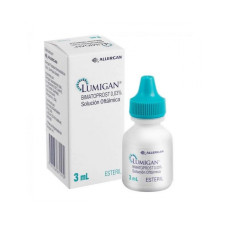
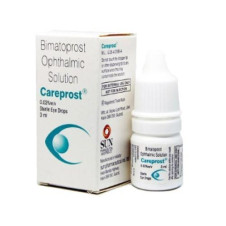
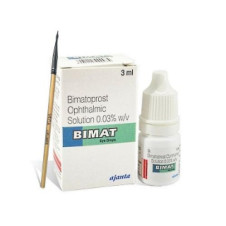
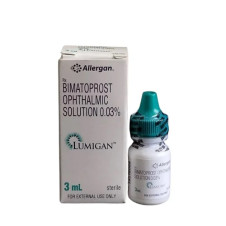

Medications for Eye Care
Maintaining healthy eyes is essential for good quality of life, and various eye conditions can affect vision and comfort. Conditions such as dry eyes, conjunctivitis, allergies, or infections often require specific medications to alleviate symptoms and prevent complications. Proper treatment can significantly improve comfort, restore normal vision, and reduce the risk of long-term damage. Early diagnosis and appropriate pharmacological intervention are crucial for effective management and for minimizing the impact on daily activities.
What is Eye Care?
Eye care refers to the measures taken to preserve, protect, and treat the health of the eyes and visual system. It involves diagnosing and managing a range of eye conditions, from minor irritations to more serious diseases like glaucoma or cataracts. The eye is a delicate organ, and many conditions can develop acutely or chronically, affecting people of all ages. Timely diagnosis and treatment are vital to prevent worsening of symptoms and potential vision loss. Regular eye examinations and prompt medical attention help maintain optimal eye health over time.
Definition and Main Characteristics of Eye Care
Eye care encompasses a variety of conditions that can affect vision and eye comfort, often caused by infections, allergies, or degenerative processes. It can be acute, such as conjunctivitis, or chronic, like dry eye syndrome or glaucoma. The severity ranges from mild discomfort to significant vision impairment. Risk groups include the elderly, contact lens users, those with a family history of eye diseases, and individuals exposed to environmental irritants. Understanding these factors helps in early intervention and tailored treatment approaches.
Diagnosis and When to Consult a Doctor
Diagnosis of eye conditions involves a thorough clinical examination by an ophthalmologist or optometrist, including visual acuity tests, slit-lamp examination, and intraocular pressure measurement. Additional tests such as ocular imaging or laboratory analysis may be performed for complex cases. It is essential not to self-medicate, as inappropriate treatment can worsen the condition or delay proper diagnosis. Early consultation ensures accurate assessment and effective therapy, reducing the risk of complications and preserving vision. Recognizing symptoms early allows for prompt intervention and better outcomes.
Diagnostic Tests and Methods for Eye Care
Common diagnostic methods include:
- Visual acuity test: assesses clarity of vision.
- Slit-lamp examination: evaluates the anterior eye structures.
- Tonometry: measures intraocular pressure for glaucoma detection.
- Fundoscopy: inspects the retina and optic nerve.
- Laboratory tests: identify infectious agents or allergies.
These tests collectively help determine the nature and severity of eye conditions, guiding appropriate treatment strategies.
Signs and Symptoms Requiring Urgent Medical Attention
If you experience sudden vision loss, severe eye pain, flashes of light, new floaters, or redness accompanied by swelling, seek immediate medical care. These symptoms may indicate serious conditions such as retinal detachment, acute glaucoma, or infections that require prompt intervention. Delaying treatment can lead to irreversible damage or permanent vision impairment. Always err on the side of caution and consult a healthcare professional if any alarming signs occur.
Causes and Risk Factors of Eye Conditions
Eye problems can arise from various causes, including infections, genetic predispositions, environmental exposures, and lifestyle habits. Factors such as prolonged screen time, exposure to pollutants, smoking, and poor hygiene can increase risk. Age-related changes also play a significant role, especially in degenerative diseases like macular degeneration or cataracts. Understanding these causes helps in adopting preventive measures to protect eye health.
Factors Contributing to Eye Conditions
These factors often act in combination, increasing susceptibility:
- Infections: bacterial, viral, or fungal agents.
- Genetics: inherited predispositions to certain diseases.
- Environmental factors: UV exposure, pollution.
- Habits: smoking, poor hygiene, prolonged screen use.
- Age: natural degeneration over time.
Recognizing these factors is essential for implementing preventive strategies and reducing disease risk.
Symptoms and How to Recognize Early Signs
Common early symptoms include redness, itching, dryness, blurred vision, or a sensation of grittiness. These signs can vary depending on the specific condition and its progression. Early recognition of symptoms allows for timely treatment, which can prevent worsening and preserve vision. If symptoms persist or worsen, consulting a healthcare professional is strongly recommended. Being attentive to changes in eye comfort and vision is key to maintaining eye health.
How to Recognize the First Signs of Eye Conditions
Initial signs often include:
- Persistent redness or irritation.
- Unusual discharge or tearing.
- Blurry vision or difficulty focusing.
- Sensation of dryness or foreign body in the eye.
- Light sensitivity or discomfort.
These symptoms, especially if they last more than a few days, should prompt a consultation with an eye specialist to determine the cause and start appropriate treatment.
Types of Medications and Treatments
Management of eye conditions depends on the diagnosis and severity. Mild symptoms may be relieved with over-the-counter products, while more serious issues require prescription medications or specialized therapies. Always consult a healthcare professional before starting any treatment. Proper medication use ensures effective symptom relief and prevents complications. The choice of therapy is tailored to individual needs, age, and specific diagnosis.
Medications for Eye Care
The main groups of drugs used include:
- Artificial tears and lubricants: e.g., carboxymethylcellulose, to alleviate dryness.
- Anti-inflammatory eye drops: such as corticosteroids or NSAIDs, for inflammation control.
- Antibiotic eye drops: e.g., chloramphenicol, used for bacterial infections.
- Antiviral or antifungal agents: specific to infectious causes.
- Antiallergic medications: antihistamines like olopatadine to reduce allergic reactions.
These medications can be administered topically, orally, or via injections depending on the condition and severity.
Naturally-Based Remedies for Eye Care
Complementary approaches may include:
- Warm compresses: to soothe irritated eyes.
- Saline rinses: to remove irritants and reduce dryness.
- Diet rich in omega-3 fatty acids and antioxidants: supporting eye health.
- Proper hydration: maintaining tear production.
- Resting eyes regularly during screen use.
While these natural methods can provide relief, they should always be used alongside medical treatment and under professional guidance.
Common Formulations: Tablets, Capsules, and Ointments
Medications for eye conditions are available in various forms, including tablets, capsules, eye drops, ointments, and injections. Tablets and capsules are typically used for systemic treatment of infections or inflammation, offering convenience and longer-lasting effects. Ointments provide a localized, protective layer and are often used at night for dry or irritated eyes. Injections are reserved for severe or specific cases, administered under medical supervision. Each form offers unique advantages depending on the condition being treated.
Over-the-Counter (OTC) Medications
For mild symptoms, several OTC products can provide relief, such as artificial tears, antihistamine eye drops, or decongestants. These are generally safe when used as directed but should not replace professional evaluation if symptoms persist or worsen. It is important to follow dosage instructions carefully and avoid prolonged use without medical advice. If symptoms continue beyond a few days, consulting an eye specialist is essential to prevent complications.
Precautions and Side Effects
Even medications considered safe can cause adverse reactions, especially if misused. Common side effects include mild irritation, dryness, or allergic reactions, while rare but serious effects may involve increased intraocular pressure or systemic allergic responses. Following prescribed dosages and instructions minimizes risks. Particular caution is advised for vulnerable groups such as children, pregnant women, the elderly, or those with chronic illnesses. Regular monitoring and communication with healthcare providers help ensure safe and effective treatment.
Most Common Side Effects
Common side effects include:
- Mild irritation or burning sensation.
- Temporary blurred vision.
- Allergic reactions like redness or swelling.
- Rare systemic effects such as nausea or dizziness.
Serious adverse effects are infrequent but require immediate medical attention. Always report any unusual or severe reactions to your doctor.
Tips for Safe Medication Use
- Follow the prescribed dosage and schedule precisely.
- Avoid mixing medications without medical advice.
- Store medications in a cool, dry place, away from children.
- Do not use expired products.
- Attend regular check-ups to monitor treatment effectiveness.
Responsible medication use and ongoing medical supervision are key to achieving the best outcomes and preventing complications.
Prevention and Daily Care
Adopting good habits and preventive measures plays a vital role in maintaining eye health and avoiding problems. Regular eye exams, proper hygiene, adequate hydration, and protection from environmental irritants help reduce the risk of developing eye conditions. Promptly addressing early symptoms and avoiding excessive screen time or exposure to harmful UV rays are also beneficial. Tailoring prevention strategies to age, lifestyle, and health status enhances long-term eye well-being.
Recommended Habits to Reduce the Risk of Eye Conditions
Some useful practices include:
- Maintaining a balanced diet rich in vitamins A, C, E, and omega-3s.
- Wearing sunglasses with UV protection outdoors.
- Taking regular breaks during prolonged screen use (the 20-20-20 rule).
- Practicing good hygiene, especially handwashing before touching eyes.
- Avoiding smoking and exposure to pollutants.
Implementing these habits supports eye health and can prevent many common issues.
Additional Preventive Measures
Secondary prevention includes routine eye examinations, vaccinations (such as for herpes zoster if indicated), and nutritional supplementation as recommended by healthcare providers. Following medical advice and adhering to prescribed treatments can delay or prevent the progression of degenerative eye diseases. These measures contribute to overall health and quality of life by maintaining clear vision and comfortable eyes over time.
Prognosis and Recovery
The outlook for individuals with eye conditions depends on the specific disease, its stage at diagnosis, and how promptly treatment is initiated. Most minor issues resolve quickly with appropriate therapy, while more serious or chronic conditions may require ongoing management. Adherence to medical advice and maintaining a healthy lifestyle significantly improve recovery chances. Early intervention often results in better visual outcomes and reduces the risk of long-term complications.
Typical Recovery Time
The recovery period varies based on severity. Mild cases, such as minor conjunctivitis, often improve within a few days to a week. Moderate to severe conditions, like corneal ulcers or post-surgical healing, may take several weeks. Chronic diseases, such as glaucoma or age-related macular degeneration, require continuous monitoring and management, with improvements occurring gradually. In all cases, consistent follow-up ensures optimal recovery and disease control.
| Type of Case | Average Recovery Time | Comments |
|---|---|---|
| Mild (e.g., conjunctivitis) | 3-7 days | Usually resolves with treatment |
| Moderate (e.g., corneal abrasions) | 1-3 weeks | Depends on severity and treatment adherence |
| Chronic (e.g., glaucoma) | Ongoing management | Requires continuous monitoring |
Factors Enhancing Prognosis
Key elements include:
- Early diagnosis and prompt treatment initiation.
- Adherence to prescribed therapies and follow-up visits.
- Maintaining a healthy lifestyle and avoiding risk factors.
- Regular eye examinations for early detection of issues.
These behaviors significantly increase the likelihood of complete recovery or disease remission, reducing the chance of recurrence.
Lifestyle Changes for Better Outcomes
Patients are encouraged to adopt habits that support eye health, such as protecting eyes from UV rays, managing stress, and ensuring adequate sleep. Quitting smoking and controlling underlying health conditions like diabetes also contribute to better prognosis. Consistent use of prescribed medications and avoiding eye strain through ergonomic practices further promote healing and prevent future problems.
Potential Complications
If untreated or poorly managed, eye conditions can lead to serious complications, including vision loss, chronic pain, or infections spreading beyond the eye. Some possible issues include corneal scarring, glaucoma progression, retinal detachment, or systemic infections. Preventing these outcomes depends on timely medical intervention and patient compliance. Recognizing warning signs early and adhering to treatment plans are essential for avoiding long-term damage.
| Complication | Frequency | Severity | Prevention |
|---|---|---|---|
| Corneal scarring | Moderate | Potentially vision-threatening | Early treatment of infections |
| Glaucoma progression | Chronic | Can cause irreversible blindness | Regular intraocular pressure monitoring |
| Retinal detachment | Less common | Serious, requires urgent surgery | Prompt treatment of symptoms like flashes or floaters |
With appropriate treatment and consistent care, most patients recover well and avoid long-term complications, maintaining good vision and eye comfort.
Where to Purchase Eye Care Medications
Medications for eye care are available both in physical pharmacies and online stores. It is important to verify that the pharmacy is licensed and that products are genuine to ensure safety and efficacy. Avoiding counterfeit medications is crucial to prevent adverse effects and treatment failure. All eye care medications can be purchased securely through our authorized online pharmacy, ensuring quality and authenticity.
Safe Shopping in Our Online Pharmacy
Shopping through our licensed online pharmacy offers several advantages, including professional advice, guaranteed product quality, and secure payment options. We ensure the authenticity of all products, proper packaging, and discreet shipping. Before purchasing, verify the pharmacy’s license, check the product’s expiration date, and consult our pharmacists for any questions. This approach guarantees a safe and satisfactory shopping experience, with the convenience of home delivery.
Can Eye Medications Be Purchased Online Without a Prescription?
All medications for eye care can be purchased online without a prescription through our authorized pharmacy. This simplifies access for common over-the-counter products like artificial tears or antihistamine drops. However, it remains essential to seek professional advice if symptoms persist or worsen. When buying online, ensure that the pharmacy is reputable, check product authenticity, and follow usage instructions carefully to ensure safety and effectiveness.
Shipping Options and Quality Assurance
We offer various shipping methods, including standard, expedited, and international options, to meet your needs. Our quality control measures include tracking lot numbers, monitoring temperature during transit, and ensuring secure, discreet packaging. These steps help maintain product integrity and guarantee that medications arrive in optimal condition. Customers can track their orders and rely on our commitment to safety and quality throughout the delivery process.
Price, Availability, and Discounts in Italian Pharmacies
The cost of eye care medications in Italy varies depending on factors such as brand or generic, dosage, formulation (tablets, drops, ointments), and whether a prescription is required. Regional differences and ongoing promotions can also influence prices. Availability may fluctuate based on demand, seasonality, or stock levels, with some products available immediately and others on request. Many pharmacies offer discounts, coupons, and loyalty programs, making treatments more affordable. Patients are encouraged to compare prices across different outlets, inquire about generic options, and ask pharmacists about current promotions to optimize their investment in eye health.
| Prodotti in farmacia | Prezzo |
|---|---|
| Lumigan 0.1 mg 3 ml Collirio | 117.18 € |
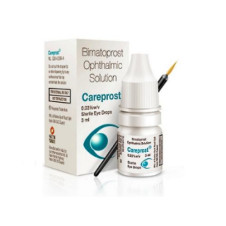
| Careprost 0.3 mg Collirio | 83.08 € |
| Bimat + Applicatori | 0.00 € |
| Bimatoprost | 0.00 € |
| Careprost + Applicatori | 0.00 € |
FAQ: Domande e risposte su Cura degli occhi nel 2026
-
È obbligatorio presentare la ricetta per acquistare Cura degli occhi?
-
È legale acquistare Cura degli occhi in Italia?
-
È possibile acquistare Cura degli occhi nella vostra farmacia online?
-
Quanto costa Cura degli occhi in Italia?
-
Quali metodi di pagamento sono disponibili?
-
Come funziona il servizio di spedizione?
-
Top dei prodotti più popolari in farmacia