


Medications for COVID-19
COVID-19, caused by the SARS-CoV-2 virus, is an infectious disease that primarily affects the respiratory system. It can range from mild symptoms to severe illness, especially in vulnerable groups such as the elderly or those with underlying health conditions. Prompt diagnosis and appropriate treatment are crucial to manage symptoms effectively, prevent complications, and improve quality of life. Over the course of the pandemic, various medications have been developed and authorized to treat different stages of COVID-19, making it essential to understand their roles and proper use.
What is COVID-19?
COVID-19 is a contagious respiratory illness caused by the novel coronavirus SARS-CoV-2. It mainly impacts the lungs and airways, leading to symptoms like cough, fever, and shortness of breath. The disease can be acute, with symptoms appearing suddenly, or in some cases, it may develop into a prolonged illness. Early diagnosis is vital because it allows for timely intervention, reducing the risk of severe complications and transmission to others. The disease has a global prevalence, with varying severity depending on individual health factors and access to healthcare.
Definition and main characteristics of COVID-19
COVID-19 is an infectious disease caused by the SARS-CoV-2 virus, which spreads primarily through respiratory droplets. It can cause a wide spectrum of symptoms, from mild cold-like signs to severe pneumonia and multi-organ failure. The disease tends to be more severe in older adults and those with pre-existing health conditions such as diabetes or cardiovascular diseases. The typical course involves an incubation period of 2-14 days, with symptoms including fever, cough, fatigue, and loss of taste or smell. In some cases, it can lead to hospitalization or long-term health issues, known as "long COVID." Understanding these characteristics helps in early detection and effective management.
Diagnosis and When to Consult a Doctor
Diagnosing COVID-19 involves a combination of clinical evaluation and laboratory testing. Healthcare professionals typically use molecular tests like RT-PCR to confirm infection, along with rapid antigen tests for quick screening. It is important not to self-medicate or ignore symptoms; only a medical specialist can assess the severity of the illness and prescribe appropriate treatment. Early consultation with a healthcare provider enhances the chances of effective intervention and reduces the risk of complications. If symptoms worsen or if high-risk individuals experience difficulty breathing, urgent medical attention is necessary.
Tests and diagnostic methods for COVID-19
The main diagnostic tools include:
- RT-PCR tests: Detect viral RNA with high sensitivity and specificity, considered the gold standard.
- Rapid antigen tests: Provide quick results, useful for screening but slightly less accurate.
- Clinical examination: Observation of symptoms and vital signs by healthcare providers.
- Imaging studies: Chest X-rays or CT scans may be used to assess lung involvement in severe cases.
Warning signs requiring immediate medical care
Seek urgent medical attention if you experience:
- Difficulty breathing or shortness of breath
- Persistent chest pain or pressure
- Confusion or inability to stay awake
- Blue lips or face
- High fever unresponsive to medication
Delaying care in these situations can lead to serious health consequences, including respiratory failure.
Causes and Risk Factors of COVID-19
The primary cause of COVID-19 is infection with the SARS-CoV-2 virus, which spreads mainly through respiratory droplets expelled when an infected person coughs, sneezes, or talks. External factors like close contact with infected individuals, crowded environments, and poor ventilation increase the risk of transmission. Internal factors such as age, immune status, and pre-existing health conditions also influence disease severity. Lifestyle habits, environmental exposures, and stress levels can further modulate individual susceptibility to infection and complications.
Factors that cause COVID-19
Understanding these factors helps in adopting preventive measures:
- Close contact with infected persons: Facilitates viral transmission
- Poor hygiene and inadequate mask use: Increases exposure risk
- Age and immune system status: Older adults and immunocompromised are more vulnerable
- Pre-existing health conditions: Such as diabetes, heart disease, or respiratory illnesses
- Environmental factors: Crowded or poorly ventilated spaces
| Risk Factor | Description | Probability |
|---|---|---|
| Age | Older adults are at higher risk of severe disease | High in over 65s |
| Pre-existing conditions | Chronic illnesses increase vulnerability | Moderate to high |
| Close contact | Prolonged exposure to infected individuals | High in crowded settings |
Manifestation of COVID-19 and Symptom Recognition
The disease typically begins with mild symptoms such as fever, dry cough, fatigue, and sore throat. As it progresses, some individuals may experience shortness of breath, muscle aches, loss of taste or smell, and gastrointestinal issues. Symptoms can vary widely depending on the stage of illness and individual health factors. Recognizing early signs allows for prompt testing and treatment, which can prevent worsening of the condition. In some cases, symptoms may be mistaken for other respiratory infections, making awareness crucial.
How to recognize early signs of COVID-19
Common initial symptoms include:
- Fever and chills
- Cough and sore throat
- Fatigue and muscle aches
- Loss of taste or smell
These symptoms often appear within 2-14 days after exposure. Differentiating COVID-19 from other illnesses involves noting the combination and progression of symptoms, especially if recent contact with infected persons has occurred.
Types of Medications and Treatments
Managing COVID-19 depends on the severity of symptoms. Mild cases often require symptomatic relief with over-the-counter medications, while moderate to severe cases may need prescription drugs and supportive therapies. Always consult a healthcare professional before starting any treatment, as the choice of medication varies based on individual health status, age, and disease progression. Proper medical supervision ensures safe and effective management of the illness.
Medications for COVID-19 treatment
The main drug groups used include:
- Antivirals: Such as remdesivir, which inhibit viral replication
- Anti-inflammatory agents: Like corticosteroids (e.g., dexamethasone) to reduce inflammation in severe cases
- Monoclonal antibodies: Designed to target the virus directly, used in specific patient groups
- Supportive medications: Fever reducers, pain relievers, and oxygen therapy as needed
Naturally derived remedies for COVID-19
While not substitutes for medical treatment, certain natural approaches can help alleviate symptoms. These include:
- Hydration with warm fluids like herbal teas and broths
- Vitamin C and zinc supplements to support immune function
- Rest and proper nutrition to promote recovery
- Steam inhalation to ease nasal congestion
- Use of honey and lemon for soothing sore throat
These remedies should always be used as complementary measures under medical guidance, especially in more severe cases.
Forms and presentations: tablets, capsules, syrups
Medications for COVID-19 are available in various forms, including tablets, capsules, syrups, topical ointments, and injectable solutions. Tablets and capsules are convenient for oral administration and often preferred for their ease of use. Syrups are suitable for children or those who have difficulty swallowing pills. Injections are typically reserved for hospital settings or severe cases requiring rapid drug delivery. Each form offers specific advantages, such as rapid absorption or targeted application, depending on the treatment plan.
Over-the-counter (OTC) medications
For mild symptoms, OTC drugs can provide relief. Common options include:
- Paracetamol or acetaminophen for fever and pain
- Ibuprofen for inflammation and discomfort
- Decongestants for nasal congestion
- Cough suppressants or expectorants as needed
It is important to remember that these medications are only suitable for mild symptoms. If symptoms persist or worsen, consulting a healthcare professional is essential. Self-medicating without proper guidance can mask serious signs requiring medical attention.
Precautions and Side Effects
Even medications considered safe can cause adverse reactions if misused. Following prescribed dosages and instructions minimizes risks. Monitoring for side effects like nausea, allergic reactions, or liver issues is important, especially in vulnerable populations such as children, pregnant women, or the elderly. Proper storage and handling of medicines, along with regular medical follow-up, help prevent complications. Awareness of potential interactions with other drugs or foods is also crucial for safe therapy.
Common side effects
Side effects may include:
- Light: Nausea, dizziness, mild allergic reactions
- Moderate: Liver or kidney stress, gastrointestinal discomfort
- Severe: Anaphylaxis, severe allergic reactions, or organ damage
Patients should report any unusual or severe symptoms to their healthcare provider promptly.
Tips for safe medication use
- Always adhere to the prescribed dose and schedule
- Avoid alcohol and certain foods that may interact negatively with medications
- Store medicines in a cool, dry place, out of reach of children
- Schedule regular check-ups to monitor treatment effectiveness and side effects
- Consult your pharmacist or doctor before combining medications
Responsible medication use and ongoing medical supervision are key to achieving the best outcomes and avoiding complications.
Prevention and Daily Care
Preventive measures and daily habits play a vital role in reducing the risk of COVID-19 infection and supporting recovery. Maintaining good hygiene, practicing social distancing, and wearing masks in crowded places help limit virus spread. Regular health check-ups and early response to symptoms can prevent disease progression. A healthy lifestyle, including balanced nutrition, adequate sleep, and stress management, enhances immune resilience. Tailoring these practices based on age, health status, and local guidelines maximizes their effectiveness.
Recommended habits to reduce COVID-19 risk
Effective daily habits include:
- Washing hands frequently with soap and water
- Using masks in public and crowded environments
- Maintaining physical distance from others
- Eating a balanced diet rich in fruits and vegetables
- Getting sufficient sleep and managing stress
- Engaging in regular physical activity
| Prevention Area | Recommended Measures | Main Benefit |
|---|---|---|
| Hygiene | Frequent handwashing, mask use | Reduces virus transmission |
| Social Behavior | Physical distancing, avoiding crowded places | Limits exposure risk |
| Healthy Lifestyle | Balanced diet, sleep, exercise | Strengthens immune defenses |
Additional preventive measures
Secondary and medical preventive strategies include vaccination, routine health screenings, and nutritional supplementation. Following vaccination schedules, where applicable, significantly reduces the risk of severe disease. Regular medical check-ups and blood tests help monitor health status and detect early signs of complications. Supplementing with vitamins like D and C or zinc may support immune function, but always under medical advice. Adhering to these guidelines contributes not only to individual health but also to community-wide disease control.
Prognosis and Recovery
The outlook for COVID-19 patients largely depends on disease severity, promptness of treatment, and overall health. Most individuals recover fully with appropriate care, especially if diagnosed early. Maintaining a healthy lifestyle and following medical advice accelerates healing and reduces the risk of long-term effects. Severe cases may require extended hospitalization and rehabilitation, but with proper management, the prognosis remains favorable in the majority of cases. Continuous monitoring and adherence to treatment plans are essential for a complete recovery.
Typical recovery time
The duration of recovery varies: mild cases often resolve within a week, while severe cases may take several weeks or months. For mild symptoms, patients typically recover in 7-10 days. More serious cases, especially those involving hospitalization, may require 3-6 weeks or longer for full recovery. Chronic or long COVID conditions may necessitate ongoing medical support and gradual improvement over months. Early intervention and supportive care are key factors influencing recovery speed.
| Type of Case | Average Recovery Time | Comments |
|---|---|---|
| Mild | 7-10 days | Usually complete recovery |
| Moderate to severe | 3-6 weeks or more | May require ongoing care |
Factors that improve prognosis
Key elements that increase the likelihood of full recovery include:
- Early diagnosis and treatment initiation
- Adherence to medical advice and medication regimens
- Maintaining a healthy lifestyle and proper nutrition
- Absence of comorbidities or managing existing conditions effectively
- Good immune response and vaccination status
Lifestyle changes to support recovery
Patients are encouraged to adopt healthy habits such as:
- Ensuring adequate rest and sleep
- Eating nutrient-rich foods to boost immunity
- Engaging in gentle physical activity as tolerated
- Managing stress through relaxation techniques
- Following medical advice for ongoing health monitoring
Potential complications
If not properly managed, COVID-19 can lead to serious health issues, including pneumonia, blood clots, and long-term respiratory problems. In some cases, it may cause multi-organ failure or chronic fatigue. Preventing these complications depends on timely medical intervention, adherence to treatment, and lifestyle adjustments. Regular follow-up with healthcare providers is essential to monitor recovery and address any emerging issues. With appropriate care, most patients avoid long-term damage and regain their health fully.
| Complication | Frequency | Severity | Prevention |
|---|---|---|---|
| Pneumonia | Common in severe cases | Serious, may require hospitalization | Early treatment, vaccination |
| Blood clots | Less frequent | Potentially life-threatening | Anticoagulant therapy, mobility |
| Long COVID symptoms | Variable | Chronic fatigue, respiratory issues | Prompt treatment, supportive care |
With proper management and ongoing care, most COVID-19 patients recover well, avoiding long-term health issues.
Where to Purchase COVID-19 Medications
Medications for COVID-19 are available both in physical pharmacies and online stores. It is essential to verify the licensing and reputation of the pharmacy to ensure the authenticity and quality of the medicines. Avoid counterfeit products by checking for official certifications and proper packaging. Purchasing from trusted sources guarantees access to genuine medications and professional support when needed. Always confirm the legitimacy of the seller before making a purchase.
Safe shopping at our online pharmacy
Our authorized online pharmacy offers numerous advantages, including professional consultation, guaranteed product quality, and secure transactions. We ensure the authenticity of all medicines, proper packaging, and timely delivery. To ensure a safe purchase, verify the pharmacy’s license, check the expiration date, and inspect the packaging upon receipt. Consulting our pharmacists can help clarify any doubts and provide guidance on medication use.
Can COVID-19 medications be bought online without a prescription?
All medications for COVID-19 can be purchased online without a prescription through our licensed pharmacy. This facilitates easier access to essential drugs, especially during times of restricted movement or high demand. However, it remains important to follow medical advice and use medications responsibly. Patients should ensure they select the correct product and dosage, and consult healthcare professionals if symptoms worsen or do not improve. Our platform complies with all regulations to guarantee safe and legal purchases.
Shipping options and quality assurance
We offer various shipping methods, including standard, express, and international delivery, tailored to your needs. Our quality control measures include tracking lot numbers, monitoring storage conditions such as temperature, and secure, discreet packaging. These steps help maintain medication efficacy and safety during transit. Customers can track their orders and verify the authenticity of products upon arrival, ensuring a reliable and trustworthy service.
Pricing, Availability, and Discounts Across Italy
The cost of COVID-19 medications in Italy varies based on factors such as brand name or generic, dosage, form (tablets, capsules, syrup), and whether a prescription is required. Regional differences and supply chain factors can also influence prices. Availability may fluctuate depending on demand, seasonality, and stock levels, with some formulations only obtainable upon request. Many pharmacies offer discounts, promotional codes, and loyalty programs to make treatments more affordable. Patients are encouraged to compare prices across different outlets, inquire about generic options, and ask pharmacists about ongoing promotions to optimize their savings. If a specific form or dose is needed, advance planning and consultation can facilitate smoother ordering processes.
| Prodotti in farmacia | Prezzo |
|---|---|
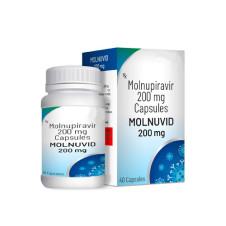
| Molnupiravir 200 mg capsule | 200.26 € |
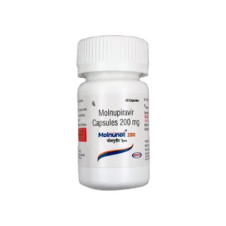
| Molnunat | 0.00 € |
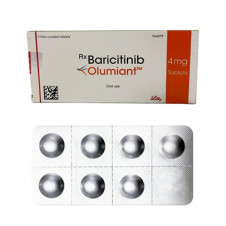
| Olumiant | 0.00 € |
FAQ: Domande e risposte su Covid-19 nel 2026
-
È obbligatorio presentare la ricetta per acquistare Covid-19?
-
È legale acquistare Covid-19 in Italia?
-
È possibile acquistare Covid-19 nella vostra farmacia online?
-
Quanto costa Covid-19 in Italia?
-
Quali metodi di pagamento sono disponibili?
-
Come funziona il servizio di spedizione?
-
Top dei prodotti più popolari in farmacia