


Medications for Angina: An Overview
Angina is a common condition characterized by chest pain or discomfort resulting from reduced blood flow to the heart muscle. It often indicates underlying coronary artery disease and requires appropriate management to prevent complications. Effective treatment involves a combination of lifestyle changes and medications that help alleviate symptoms, improve quality of life, and reduce the risk of heart attacks. Early diagnosis and tailored therapy are crucial for controlling angina and preventing progression. Whether you experience occasional episodes or persistent symptoms, understanding your treatment options can empower you to manage the condition effectively.
What is Angina?
Angina is a symptom caused by insufficient blood supply to the heart, leading to chest pain or pressure. It typically occurs during physical exertion or emotional stress and subsides with rest or medication. The condition can be chronic or episodic, affecting individuals with coronary artery blockages or narrowing. Recognizing and treating angina promptly is vital because it signals potential heart problems that could worsen if left unmanaged. Proper diagnosis helps determine the severity and guides appropriate therapy to prevent heart attacks or other serious complications.
Definition and Main Characteristics of Angina
Angina is a clinical manifestation of myocardial ischemia, where the heart muscle receives less oxygen-rich blood than needed. It is often caused by atherosclerosis, leading to narrowing or blockage of coronary arteries. The disease can be stable, occurring predictably with exertion, or unstable, presenting unpredictably and with increased severity. Key features include chest pain, discomfort radiating to the arm, neck, or jaw, and symptoms that can vary in intensity. Risk groups include older adults, those with high cholesterol, hypertension, diabetes, or a family history of heart disease. Understanding these characteristics helps in early detection and effective management.
Diagnosis and When to See a Doctor
Diagnosing angina involves a detailed medical history, physical examination, and specific tests to assess heart function. It is essential not to self-medicate or ignore symptoms, as a healthcare professional can evaluate the severity and underlying causes. Early diagnosis improves treatment outcomes and reduces the risk of complications. If you experience chest pain, especially if it lasts more than a few minutes, occurs at rest, or is associated with shortness of breath, seek medical attention promptly. Timely intervention can prevent progression to more serious heart conditions.
Diagnostic Tests and Methods for Angina
To confirm angina, doctors typically perform several diagnostic procedures, including:
- Electrocardiogram (ECG): Records electrical activity of the heart to detect ischemia.
- Stress tests: Monitor heart response during physical activity or medication-induced stress.
- Coronary angiography: Visualizes blood flow in coronary arteries using contrast dye.
- Blood tests: Check for markers indicating heart muscle damage or risk factors.
These tests help determine the type and severity of angina, guiding appropriate treatment strategies.
Signs That Require Immediate Medical Attention
Any sudden or severe chest pain should be considered an emergency. Seek urgent medical care if you experience:
- Chest pain lasting more than 15 minutes
- Pain spreading to the arm, neck, jaw, or back
- Difficulty breathing or shortness of breath
- Profuse sweating, nausea, or dizziness
- Loss of consciousness
Prompt treatment in these situations can be life-saving, as they may indicate a heart attack or other critical condition.
Causes and Risk Factors of Angina
Angina primarily results from coronary artery disease, where arteries supplying blood to the heart become narrowed or blocked. Several factors contribute to its development, including lifestyle habits, genetics, and environmental influences. Recognizing these risk factors helps in prevention and early intervention.
Factors Causing Angina
These include:
- High cholesterol levels, leading to plaque buildup
- High blood pressure, causing artery damage
- Smoking, which damages blood vessels and accelerates atherosclerosis
- Diabetes, increasing the risk of arterial narrowing
- Obesity and sedentary lifestyle
- Age, especially over 50 for men and over 60 for women
- Family history of heart disease
| Risk | Description | Probability |
|---|---|---|
| High cholesterol | Leads to plaque formation in arteries | High |
| Smoking | Damages blood vessel lining | High |
| Diabetes | Accelerates arterial damage | Moderate to high |
Understanding these factors is essential for adopting preventive measures and reducing the risk of angina development.
Manifestations and Symptoms of Angina
Common symptoms include chest discomfort described as pressure, squeezing, or tightness. The pain often radiates to the arm, neck, jaw, or back and may be accompanied by shortness of breath, sweating, or nausea. Symptoms can vary depending on the disease stage, with stable angina occurring predictably during exertion, while unstable angina may present suddenly and more intensely. Early recognition of these signs allows for prompt treatment, which can prevent worsening and complications.
How to Recognize Early Signs of Angina
In initial stages, angina often presents as mild to moderate chest discomfort triggered by physical activity or emotional stress. It typically subsides with rest or medication. Some individuals may experience unusual fatigue, shortness of breath, or discomfort in other areas like the arms or neck. Recognizing these early symptoms is crucial for seeking medical advice and initiating preventive measures before the condition worsens.
Types of Medications and Treatments
Managing angina involves medications aimed at relieving symptoms, improving blood flow, and preventing heart attacks. The choice of therapy depends on the severity of the condition, patient age, and overall health. Some medications can be purchased over the counter for mild symptoms, but more complex cases require prescription drugs. Always consult a healthcare professional before starting or changing treatment to ensure safety and effectiveness.
Medications for Angina
The main drug groups used in angina treatment include:
- Vasodilators: such as nitrates (e.g., nitroglycerin) that relax blood vessels and reduce heart workload.
- Beta-blockers: like atenolol or metoprolol, which decrease heart rate and oxygen demand.
- Calcium channel blockers: such as amlodipine, that help dilate arteries and improve blood flow.
- Antiplatelet agents: like aspirin, to prevent blood clots that can block arteries.
| Type of drug | Example active ingredient | Therapeutic purpose |
|---|---|---|
| Nitrates | Nitroglycerin | Relieve acute angina attacks |
| Beta-blockers | Atenolol | Reduce heart workload and oxygen demand |
| Calcium channel blockers | Amlodipine | Improve blood flow by dilating arteries |
Natural Remedies for Angina
Complementary approaches may include lifestyle and dietary modifications, such as:
- Consuming a heart-healthy diet rich in fruits, vegetables, and omega-3 fatty acids
- Engaging in regular moderate exercise
- Managing stress through relaxation techniques
- Avoiding smoking and excessive alcohol intake
- Maintaining a healthy weight
While these natural methods can support overall heart health, they should always be used alongside prescribed treatments and under medical supervision.
Forms and Presentations: Tablets, Capsules, and More
Medications for angina are available in various forms, including tablets, capsules, sprays, and topical ointments. Tablets and capsules are the most common, offering convenience and controlled release. Sprays like nitroglycerin are used for rapid relief during angina attacks. Ointments and patches provide steady medication delivery over time. The choice depends on the type of medication, severity of symptoms, and patient preference, with each form offering specific advantages in terms of onset and duration of action.
Over-the-Counter (OTC) Medications
For mild, infrequent symptoms, some OTC products like sublingual nitroglycerin sprays or tablets may be used. However, it is essential to consult a healthcare professional before self-medicating, as improper use can be dangerous. OTC options are generally intended for short-term relief and should not replace comprehensive medical management. Persistent or worsening symptoms require prompt medical evaluation to adjust treatment plans accordingly.
Precautions and Side Effects
Even medications considered safe can cause adverse reactions if misused. Common side effects include headaches, dizziness, flushing, or gastrointestinal discomfort. Serious reactions like allergic responses or liver problems are less frequent but require immediate medical attention. Following prescribed dosages, monitoring for side effects, and informing your doctor of any unusual symptoms are vital steps to minimize risks. Special caution is necessary for vulnerable groups such as children, pregnant women, the elderly, or those with chronic illnesses, who may need tailored treatment approaches.
Most Common Side Effects
Typical mild effects include headaches, lightheadedness, or skin flushing. More severe reactions, though rare, can involve allergic reactions, significant drops in blood pressure, or liver toxicity. It is important to report any unexpected or severe symptoms to your healthcare provider promptly. Proper management and regular follow-up help ensure safe medication use and effective symptom control.
Guidelines for Safe Medication Use
- Always follow the prescribed dosage and timing instructions.
- Do not mix medications with alcohol or certain foods unless approved by your doctor.
- Store medicines in a cool, dry place away from children.
- Attend regular check-ups to monitor treatment effectiveness and side effects.
- Report any adverse reactions or concerns to your healthcare provider immediately.
Adhering to these guidelines ensures safe and effective management of angina and reduces the risk of complications.
Prevention and Daily Care
Preventive measures and healthy daily habits play a crucial role in managing angina and reducing its occurrence. Regular medical check-ups, a balanced diet, physical activity, and stress management contribute significantly to heart health. Recognizing early symptoms and seeking prompt medical advice can prevent worsening of the condition. Tailoring lifestyle changes to individual needs, age, and health status enhances overall well-being and minimizes risks.
Recommended Habits to Reduce Angina Risk
Adopting the following habits can help prevent or lessen angina episodes:
- Eating a diet low in saturated fats, salt, and sugar
- Engaging in at least 150 minutes of moderate exercise weekly
- Maintaining a healthy weight
- Managing stress through relaxation or mindfulness techniques
- Avoiding smoking and limiting alcohol consumption
- Controlling blood pressure and blood sugar levels
| Area of Prevention | Recommended Measures | Main Benefit |
|---|---|---|
| Diet | Heart-healthy foods, reduced salt and fats | Lower cholesterol and blood pressure |
| Exercise | Regular physical activity | Improved cardiovascular health |
| Stress Management | Relaxation techniques, adequate sleep | Reduced strain on the heart |
Additional Preventive Measures
Secondary prevention involves routine medical evaluations, adherence to prescribed medications, vaccinations if applicable, and lifestyle counseling. Regular monitoring of risk factors like cholesterol and blood pressure, along with patient education, enhances long-term outcomes. Following medical advice and making informed choices contribute to better management of angina and overall health.
Implementing these preventive strategies not only reduces the likelihood of angina episodes but also promotes general well-being and a higher quality of life over time.
Prognosis and Recovery
The outlook for individuals with angina depends on the disease's severity, promptness of treatment, and overall health. With appropriate management, most patients experience significant symptom relief and a reduced risk of heart attack. Adherence to prescribed therapies and lifestyle modifications are essential for a favorable prognosis. Regular follow-up and monitoring help detect any progression early, allowing timely adjustments to treatment plans.
Typical Recovery Time
The recovery period varies according to the extent of the disease and treatment response. Mild cases may see symptom improvement within days, while more severe or chronic conditions might require weeks or months of ongoing management. For chronic angina, continuous monitoring and lifestyle adjustments are necessary to maintain stability and prevent complications.
| Type of Case | Average Recovery Time | Comments |
|---|---|---|
| Mild angina | Few days to weeks | Usually resolves with medication and lifestyle changes |
| Severe or chronic angina | Weeks to months | Requires ongoing management and monitoring |
Factors Enhancing Prognosis
Key factors that improve recovery chances include:
- Early diagnosis and prompt treatment initiation
- Strict adherence to prescribed medications
- Adopting a healthy lifestyle with balanced diet and exercise
- Regular medical check-ups and risk factor control
- Patient education and active participation in health management
These elements significantly increase the likelihood of complete remission and reduce the risk of future episodes.
Lifestyle Changes for Better Outcomes
Patients are encouraged to make sustainable lifestyle modifications, such as quitting smoking, maintaining a healthy weight, and managing stress effectively. Incorporating these habits can accelerate healing and prevent recurrences. Consistent medical follow-up and adherence to treatment plans are equally important for long-term stability.
Potential Complications
If not properly managed, angina can lead to serious health issues. Uncontrolled angina increases the risk of heart attacks, heart failure, arrhythmias, and even sudden cardiac death. Preventing these complications depends on early diagnosis, effective treatment, and patient commitment to lifestyle and medication adherence. Recognizing warning signs and seeking timely medical care are essential steps to avoid long-term damage.
| Complication | Frequency | Severity | Prevention |
|---|---|---|---|
| Heart attack | Common in unmanaged cases | Serious | Proper medication, lifestyle changes |
| Heart failure | Possible with long-term unmanaged angina | Severe | Control risk factors, follow treatment |
With appropriate care and ongoing management, most patients can achieve good health outcomes and avoid long-term complications.
Where to Buy Medications for Angina
Medications for angina are available both in physical pharmacies and online. It is important to verify the licensing and reputation of the pharmacy to ensure the authenticity and quality of the medicines. Avoid counterfeit products by purchasing from trusted sources. All medications for angina can be safely obtained through our licensed online pharmacy in Italy, offering convenience and reliable service.
Safe Shopping in Our Online Pharmacy
Buying from our authorized online pharmacy offers several advantages, including professional advice, guaranteed product authenticity, and secure payment options. Always check the pharmacy's license, examine the packaging for tampering, verify expiration dates, and consult the pharmacist if you have any doubts. These steps help ensure a safe and satisfactory purchase experience.
Can You Buy Angina Medications Online Without a Prescription?
In Italy, all medications used for angina management are available online without a prescription through our pharmacy. However, it is essential to use these medicines responsibly and under medical supervision. Self-medicating without proper diagnosis can be risky, so always consult a healthcare professional if symptoms persist or worsen. Our pharmacy provides a secure platform for purchasing these medications conveniently and safely, ensuring you receive quality products without the need for a prescription.
Shipping Options and Quality Assurance
We offer various shipping methods, including standard, express, and international delivery, to meet your needs. Our quality control measures include tracking shipment batches, maintaining proper storage conditions, and ensuring discreet packaging. These practices guarantee the integrity and safety of your order from dispatch to delivery. When receiving your package, verify the contents and check for any damage or tampering to ensure product quality.
Pricing, Availability, and Discounts in Italy
The cost of medications for angina in Italy varies based on factors such as the brand (generic or branded), dosage, form (tablets, capsules, sprays), and whether a prescription is required. Availability may fluctuate depending on demand, regional supply, and seasonal factors. Many pharmacies offer discounts, promotional deals, coupons, and loyalty programs that can make treatments more affordable. Comparing prices across different outlets and consulting your pharmacist can help you find the best options. If a specific formulation or strength is needed, inquire in advance about ordering or alternatives to ensure timely access to your medication.
| Prodotti in farmacia | Prezzo |
|---|---|
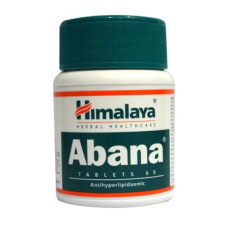
| Abana 60 compresse | 77.83 € |
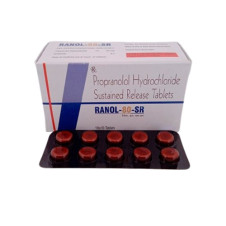
| Ranol SR 40/80 mg compresse | 89.20 € |
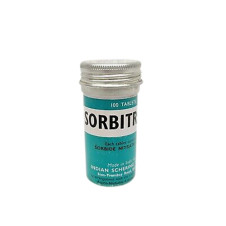
| Sorbitrato 5/10mg compresse | 15.74 € |
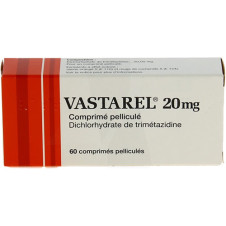
| Vastarel 20 mg compresse | 129.43 € |
| Amlodipina | 0.00 € |
FAQ: Domande e risposte su Angina nel 2026
-
È obbligatorio presentare la ricetta per acquistare Angina?
-
È legale acquistare Angina in Italia?
-
È possibile acquistare Angina nella vostra farmacia online?
-
Quanto costa Angina in Italia?
-
Quali metodi di pagamento sono disponibili?
-
Come funziona il servizio di spedizione?
-
Top dei prodotti più popolari in farmacia