



Medications for Tinnitus
Tinnitus, commonly known as ringing in the ears, is a condition characterized by the perception of sound without an external source. It affects a significant portion of the population, especially with aging or exposure to loud noises. Managing tinnitus often involves a combination of therapies, including medications, to alleviate symptoms and improve quality of life. Early diagnosis and appropriate treatment are crucial to control symptoms effectively and prevent potential deterioration of hearing or mental health.
What is Tinnitus?
Tinnitus is the sensation of hearing ringing, buzzing, or other noises in the ears or head that are not caused by external sounds. It can be acute or chronic, with some individuals experiencing intermittent episodes and others enduring persistent symptoms. The condition primarily involves the auditory system, particularly the inner ear and auditory nerve pathways. Prompt diagnosis and management are essential to prevent worsening of symptoms and to address underlying causes, which can range from ear infections to neurological issues.
Definition and Main Characteristics of Tinnitus
Tinnitus is a perception of sound without an external source, often resulting from damage or dysfunction within the auditory system. It can be caused by various factors such as noise exposure, ear infections, age-related hearing loss, or vascular conditions. The severity varies from mild annoyance to debilitating interference with daily activities. It tends to be more common in older adults and individuals with a history of loud noise exposure. Tinnitus can be temporary or persistent, and its impact on mental health can be significant if not properly managed.
- Type: Subjective (most common) or objective (rare)
- Onset: Sudden or gradual
- Duration: Transient or chronic
- Severity: Mild to severe
Diagnosis and When to See a Doctor
Diagnosing tinnitus involves a detailed medical history and physical examination by a healthcare professional, usually an otolaryngologist. The doctor may perform hearing tests, balance assessments, and imaging studies to identify underlying causes. It is vital not to self-medicate, as improper treatment can worsen symptoms or mask serious conditions. Early consultation improves the chances of effective management and helps tailor appropriate therapies based on individual needs.
Diagnostic Tests and Methods for Tinnitus
The main diagnostic tools include audiometry to assess hearing loss, tympanometry to evaluate middle ear function, and imaging such as MRI or CT scans if neurological or structural issues are suspected. Blood tests may also be ordered to detect infections or vascular problems. These assessments help determine the cause and guide targeted treatment strategies.
| Type of Test | Purpose | Diagnostic Value |
|---|---|---|
| Audiometry | Assess hearing function | Identifies hearing loss associated with tinnitus |
| Imaging (MRI/CT) | Detect structural abnormalities | Reveals tumors, nerve issues, or vascular anomalies |
| Blood Tests | Identify infections or metabolic issues | Detects underlying systemic causes |
Signs That Require Urgent Medical Attention
If you experience sudden hearing loss, severe dizziness, weakness, facial numbness, or persistent ear pain along with tinnitus, seek immediate medical care. These symptoms may indicate serious conditions such as stroke, acoustic neuroma, or severe infections. Delaying treatment can lead to permanent damage or life-threatening complications. Always consult a healthcare professional promptly if such warning signs occur.
Causes and Risk Factors of Tinnitus
The development of tinnitus is multifactorial, involving both internal and external factors. Common causes include prolonged exposure to loud noises, age-related hearing decline, ear infections, earwax buildup, and certain medications. Environmental influences like stress, smoking, and cardiovascular health also contribute. Genetic predisposition may play a role in some cases, especially with familial hearing issues. Recognizing these risk factors helps in adopting preventive measures to reduce the likelihood of developing tinnitus.
Factors Contributing to Tinnitus
These factors can be internal (genetic, metabolic) or external (noise exposure, lifestyle). Often, multiple factors combine to trigger or worsen tinnitus, making it a complex condition to manage.
| Risk Factor | Description | Probability |
|---|---|---|
| Noise Exposure | Prolonged loud sounds damage inner ear hair cells | High |
| Age | Degeneration of auditory structures with aging | Moderate to high |
| Medications | Ototoxic drugs like certain antibiotics or NSAIDs | Variable |
The early recognition of tinnitus symptoms is essential for timely intervention. Common initial signs include a ringing or buzzing sound that may fluctuate in intensity. These symptoms can be mistaken for other ear conditions, so awareness is important for early diagnosis and management.
How to Recognize Early Signs of Tinnitus
Initial symptoms often involve a mild ringing or hissing sound in one or both ears, which may be intermittent or persistent. Some individuals notice increased sensitivity to loud noises or a feeling of fullness in the ears. Recognizing these early indicators allows for prompt consultation with a healthcare provider, potentially preventing progression and facilitating more effective treatment.
- Perception of ringing or buzzing
- Difficulty focusing or concentrating
- Increased ear sensitivity
Types of Medications and Treatments
Managing tinnitus involves pharmacological and non-pharmacological approaches. Medications can help reduce the perception of noise, improve sleep, and address underlying causes. The choice of treatment depends on severity, patient age, and overall health. While some remedies are available over the counter, others require medical supervision to ensure safety and effectiveness. Combining medication with sound therapy, counseling, and lifestyle modifications often yields the best results.
Medications for Tinnitus
Several groups of drugs are used to alleviate tinnitus symptoms. These include antidepressants like amitriptyline, which can help reduce the emotional distress associated with tinnitus, and anticonvulsants such as carbamazepine, which may decrease nerve hyperactivity. Vasodilators like ginkgo biloba extracts are also used, although scientific evidence varies. Always consult a healthcare professional before starting any medication, as individual responses differ and potential side effects must be considered.
| Type of Drug | Example Active Ingredient | Therapeutic Purpose |
|---|---|---|
| Antidepressants | Amitriptyline | Reduce emotional distress and improve sleep |
| Vasodilators | Ginkgo biloba extract | Improve blood flow to auditory structures |
| Anticonvulsants | Carbamazepine | Reduce nerve hyperactivity |
Natural Remedies for Tinnitus
Complementary approaches such as herbal supplements, acupuncture, and relaxation techniques may help alleviate symptoms. For example, ginkgo biloba, magnesium, and zinc supplements are popular, but their effectiveness varies. Mindfulness meditation and stress reduction exercises can also contribute to symptom management. However, these should be used as adjuncts to prescribed treatments and under medical supervision to ensure safety and appropriateness.
Forms and Presentations: Tablets, Capsules, Pills
Medications for tinnitus are commonly available in various forms, including tablets, capsules, and sometimes liquids or topical preparations. Tablets and capsules are convenient for oral administration, with capsules often providing a slower release. Liquid forms may be used for children or those with swallowing difficulties. Each form offers specific advantages, such as rapid absorption or ease of use, depending on the clinical situation.
| Form of Medication | Features | Most Common Use |
|---|---|---|
| Tablets | Stable, easy to dose | General treatment |
| Capsules | Delayed release, better taste masking | Extended therapy |
| Liquid | Fast absorption, suitable for children | Acute or pediatric use |
Over-the-Counter (OTC) Medications
For mild tinnitus symptoms, some OTC options may provide temporary relief. These include ear drops containing soothing agents or decongestants to reduce ear congestion. However, if symptoms persist beyond a few days, it is essential to consult a healthcare professional. OTC medications should not replace medical evaluation, especially if underlying causes are suspected or symptoms worsen.
| Medication Type | When to Use | Notes |
|---|---|---|
| Ear drops | Minor ear congestion or wax buildup | Use as directed; avoid if perforation suspected |
| Decongestants | Associated with ear fullness | Short-term use only; consult pharmacist |
These options should be used only for mild, temporary symptoms and do not replace professional medical advice if symptoms persist or worsen.
Precautions and Side Effects
Even medications considered safe can cause adverse reactions if misused. Side effects may range from mild, such as nausea or drowsiness, to severe, including allergic reactions or liver problems. Following the prescribed dosage and instructions minimizes risks. Special caution is necessary for vulnerable groups like children, pregnant women, the elderly, and those with chronic illnesses. Regular monitoring and communication with a healthcare provider are essential to ensure safe treatment.
Common Side Effects
Common mild effects include nausea, dizziness, or gastrointestinal discomfort. Serious adverse reactions, though less frequent, can involve allergic responses, liver toxicity, or cardiac issues. Patients should be alert to any unusual symptoms and report them promptly. Proper management and dose adjustment can often prevent or mitigate these effects.
| Type of Effect | Frequency | Severity | Recommendation |
|---|---|---|---|
| Nausea, dizziness | Common | Mild | Monitor and adjust dose if necessary |
| Allergic reactions | Rare | Severe | Seek immediate medical attention |
Safe Use of Medications
To ensure safety, always follow the prescribed dosages, avoid mixing medications with alcohol, and store drugs in a cool, dry place. Regular follow-up appointments help monitor effectiveness and detect side effects early. Do not alter doses or discontinue medication without consulting your healthcare provider. Keep medications out of reach of children and report any adverse reactions promptly.
Prevention and Daily Care
Preventive measures and lifestyle adjustments play a vital role in managing tinnitus. Regular check-ups, avoiding loud noises, and maintaining good ear hygiene can significantly reduce risk. Adopting a healthy diet, exercising regularly, managing stress, and ensuring adequate rest contribute to overall ear health. Early intervention at the first signs of symptoms can prevent progression and improve treatment outcomes.
Recommended Habits to Reduce Tinnitus Risk
Implementing simple daily habits can help prevent or lessen tinnitus episodes. Use ear protection in noisy environments, limit exposure to loud music, and avoid ototoxic medications unless prescribed. Maintaining cardiovascular health through diet and exercise reduces vascular contributions to tinnitus. Managing stress with relaxation techniques and ensuring sufficient sleep also support ear health and symptom control.
| Area of Prevention | Recommended Measures | Main Benefit |
|---|---|---|
| Noise Protection | Use earplugs or earmuffs in loud settings | Prevents inner ear damage |
| Healthy Lifestyle | Balanced diet, regular exercise, stress management | Supports overall ear and vascular health |
Additional Preventive Measures
Secondary prevention includes routine medical check-ups, vaccinations (such as for ear infections), and appropriate use of vitamins or supplements to support ear health. Following medical advice on medication use and avoiding ototoxic substances are also crucial. These measures help in early detection and reduce the risk of chronic tinnitus development.
Adopting these preventive strategies not only reduces the risk of tinnitus but also promotes overall well-being and long-term health.
Prognosis and Recovery
The outlook for tinnitus varies depending on its cause, severity, and how quickly treatment begins. Many cases respond well to therapy, and symptoms can diminish or resolve completely with proper management. Maintaining a healthy lifestyle and adhering to medical recommendations accelerate recovery. Early intervention is associated with better outcomes, especially in reversible or treatable cases.
Typical Recovery Time
The duration of recovery depends on the severity and underlying cause. Mild cases often improve within days to weeks, especially with prompt treatment. More severe or chronic tinnitus may require months of therapy and ongoing management. For persistent or long-standing tinnitus, continuous monitoring and supportive therapies are essential to achieve gradual improvement.
| Type of Case | Average Recovery Time | Comments |
|---|---|---|
| Mild, acute | Few days to weeks | Often resolves with early treatment |
| Chronic or severe | Weeks to months | Requires ongoing management and monitoring |
Factors Enhancing Prognosis
Key factors include early diagnosis, adherence to treatment, lifestyle modifications, and managing underlying health conditions. Patient engagement, regular follow-up, and avoiding known triggers significantly improve chances of remission or symptom reduction.
- Timely medical intervention
- Consistent use of prescribed therapies
- Healthy lifestyle choices
Lifestyle Changes for Better Outcomes
Patients should adopt habits that support ear health and reduce stress. These include avoiding loud environments, practicing relaxation techniques, maintaining good sleep hygiene, and following a balanced diet. Such changes can help accelerate recovery and prevent recurrences.
Potential Complications
If left untreated or poorly managed, tinnitus can lead to complications such as sleep disturbances, anxiety, depression, and difficulty concentrating. In some cases, it may contribute to social withdrawal or reduced quality of life. Preventing these outcomes relies on timely medical care and active patient participation in treatment plans.
| Complication | Frequency | Severity | Prevention |
|---|---|---|---|
| Sleep disturbances | Common | Mild to moderate | Proper management of symptoms, sleep hygiene |
| Mental health issues | Possible | Severe if untreated | Psychological support, counseling |
With appropriate treatment and ongoing care, most patients with tinnitus can achieve satisfactory symptom control and avoid long-term complications.
Where to Purchase Medications for Tinnitus
Medications for tinnitus are available both in physical pharmacies and online stores. It is essential to verify the licensing and reputation of the pharmacy to ensure the authenticity and quality of products. Avoiding counterfeit drugs is crucial for safety and efficacy. Our online pharmacy offers all medications for tinnitus, with certified quality and secure purchasing options.
Safe Shopping in Our Online Pharmacy
Shopping through our authorized online pharmacy provides several advantages, including professional advice, guaranteed product authenticity, and secure payment options. Always check the pharmacy’s license, examine the packaging for tampering, verify expiration dates, and consult the pharmacist if unsure. These steps help ensure a safe and satisfactory purchase experience.
Can Medications for Tinnitus Be Bought Online Without a Prescription?
In Italy, all medications for tinnitus can be purchased online without a prescription through our pharmacy. This allows patients to access necessary treatments conveniently and safely. However, it remains important to consult a healthcare professional for proper diagnosis and personalized therapy. When buying online, ensure the platform is licensed, offers genuine products, and provides clear information about the medications. Always follow the recommended dosages and guidelines provided by the pharmacist or healthcare provider.
- Verify pharmacy licensing
- Check product authenticity
- Follow prescribed dosages
- Maintain communication with healthcare providers
Shipping Options and Quality Assurance
Our pharmacy offers various shipping methods, including standard, express, and international delivery, with options tailored to urgency and location. Quality control measures include tracking lot numbers, ensuring proper packaging, and maintaining temperature controls during transit. Shipping is discreet and secure, with detailed tracking available to monitor your order from dispatch to delivery. These measures guarantee the integrity and safety of your medications upon arrival.
Price, Availability, and Discounts in Italian Pharmacies
The cost of tinnitus medications in Italy varies based on factors such as brand or generic, dosage, form, and whether a prescription is required. Availability can fluctuate depending on regional supply, seasonality, and demand. Many pharmacies offer discounts, promotional deals, coupons, and loyalty programs that make treatments more affordable. Patients are encouraged to compare prices across different outlets, inquire about generic options, and ask pharmacists about ongoing promotions. For special formulations or dosages, advance planning may be necessary to ensure timely procurement and optimal treatment adherence.
| Prodotti in farmacia | Prezzo |
|---|---|
| Betahistina 8/16/24 mg compresse | 44.09 € |
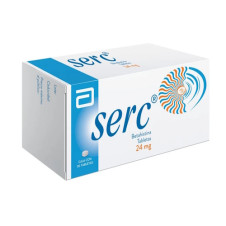
| Serc | 0.00 € |
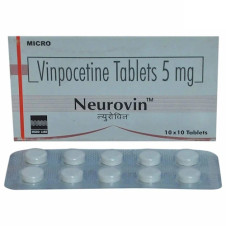
| Vinpocetina | 0.00 € |
FAQ: Domande e risposte su Acufene nel 2026
-
È obbligatorio presentare la ricetta per acquistare Acufene?
-
È legale acquistare Acufene in Italia?
-
È possibile acquistare Acufene nella vostra farmacia online?
-
Quanto costa Acufene in Italia?
-
Quali metodi di pagamento sono disponibili?
-
Come funziona il servizio di spedizione?
-
Top dei prodotti più popolari in farmacia